

Dirt Cheap Sewer provides outdoor plumbing services for Bellevue properties experiencing sewer backups, underground leaks, drainage trouble, damaged exterior pipes, and related problems. The process begins by identifying the affected system and locating the source of the problem so the recommended work addresses the cause—not merely the most visible symptom.
Outdoor Plumbing Problems Start Beyond the Walls
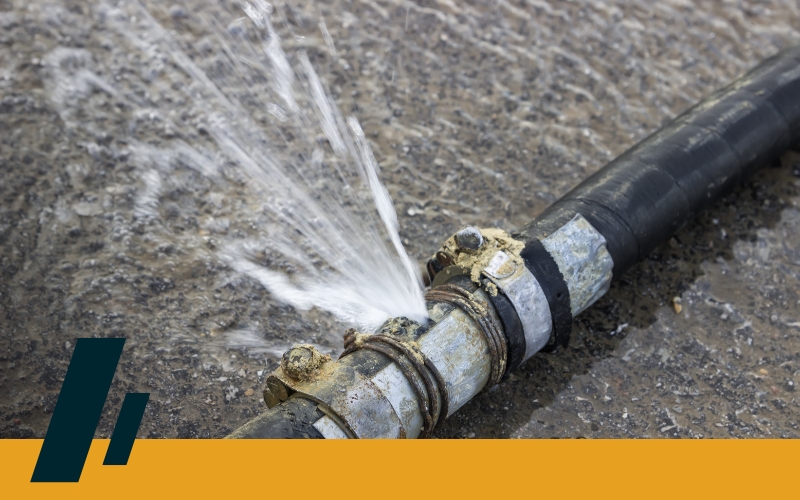
When a plumbing problem appears inside a home or commercial building, the source is not always indoors. A backed-up toilet may point to a damaged sewer lateral. Water collecting in a yard may come from a leaking water service line, a drainage problem, or another buried pipe. Repeated drain trouble throughout a building can indicate a problem farther downstream than any individual fixture.
An outdoor plumber works on the pipes and systems located outside a building, including lines buried beneath lawns, planting areas, driveways, walkways, and other developed surfaces. Depending on the property and the diagnosed problem, that work may involve sewer lines, exterior drains, water service lines, water mains, cleanouts, underground connections, or drainage infrastructure.
Because several outdoor plumbing problems produce similar symptoms, diagnosis matters. Digging where water happens to appear or repeatedly clearing an interior drain may not correct the underlying issue. Dirt Cheap Sewer evaluates the symptoms, affected fixtures, pipe route, access conditions, and condition of the relevant line before recommending a service.
What Does an Outdoor Plumber Handle?
Outdoor plumbing covers more than one type of pipe. The appropriate service depends on which system is failing and what has happened to it.
Dirt Cheap Sewer’s outdoor plumbing work may include:
- Sewer-line inspection, locating, repair, and replacement
- Trenchless sewer repair when site and pipe conditions allow
- Conventional sewer excavation when direct access is necessary
- Exterior drain cleaning and line maintenance
- Hydro jetting for qualifying buildup and obstructions
- Water service line and water main work
- Outdoor and foundation drainage evaluation
- Buried pipe locating and problem diagnosis
- Cleanout access and related exterior sewer work
- Septic-to-sewer conversion where available and appropriate
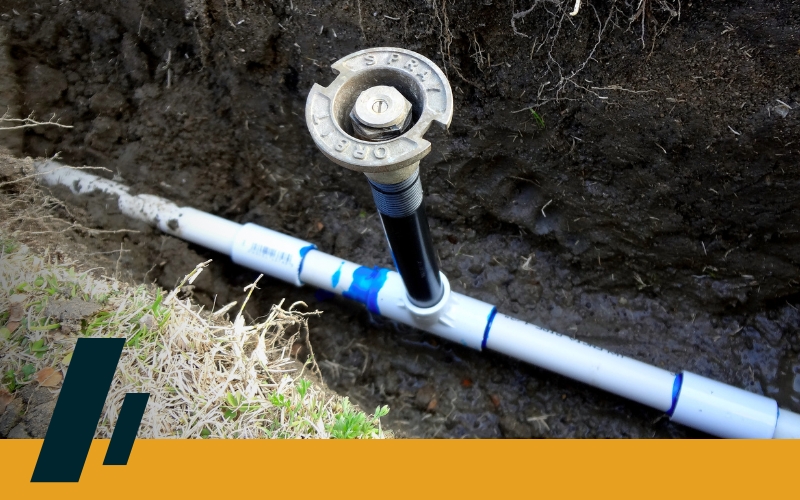
Not every outdoor water or drainage problem is caused by a plumbing failure. Standing water can also result from soil conditions, surface grading, roof runoff, irrigation equipment, or groundwater. An evaluation helps narrow down the source before repair work begins.
When Should You Call an Outdoor Plumber in Bellevue?
One isolated slow drain does not always indicate a buried-pipe problem. However, symptoms affecting several fixtures, recurring after previous service, or appearing outdoors deserve closer attention.
Consider scheduling an outdoor plumbing evaluation if you notice:
- Multiple drains backing up at approximately the same time
- Toilets bubbling when another fixture drains
- Sewage odors inside the building or around the yard
- Wastewater surfacing near a sewer-line route
- An unusually wet or soft area that does not dry normally
- Unexplained water flowing across a driveway or planting area
- A sudden or unexplained increase in water use
- Reduced water pressure affecting multiple fixtures
- Repeated clogs that return after routine drain cleaning
- Water entering a basement, crawlspace, or foundation area
- Exterior drains that remain slow after debris is removed
- Soil settling or developing depressions above a buried line
- A suspected pipe problem beneath a driveway or other hardscape
- Concerns about underground plumbing before a renovation or property purchase
These symptoms do not identify the cause by themselves. For example, wet soil might indicate a pressurized water-line leak, a drainage issue, or runoff from another source. A sewer odor might come from a damaged line, an open cleanout, or another plumbing defect. The goal of an evaluation is to determine which explanation fits the available evidence.
How Dirt Cheap Sewer Evaluates an Outdoor Plumbing Problem
1. Discuss the symptoms
The process begins with what the property owner has observed. Useful details include when the problem started, where it appears, whether it is constant or intermittent, and whether previous cleaning or repairs have been performed.
2. Identify the affected system
The technician determines whether the evidence points toward a sanitary sewer, water service, exterior drain, foundation drainage system, or another buried component. More than one system may need to be considered when the source is not immediately visible.
3. Locate relevant access points
Existing cleanouts, utility records, visible pipe routes, meter locations, and other site features can help establish where the affected line runs. Access is an important part of deciding which diagnostic methods are practical.
4. Inspect or test the line when appropriate
Depending on the suspected problem, evaluation may involve a sewer camera inspection, line locating, flow testing, pressure-related diagnostics, or targeted exposure of part of the pipe.
A camera can reveal certain sewer-line conditions, but it is not a universal diagnostic tool. It generally cannot inspect a fully blocked section until access is restored, and it does not replace the tests needed to diagnose a pressurized water-line leak.
5. Determine the nature and extent of the problem
The evaluation should distinguish between a removable obstruction and a structural defect. It should also determine whether the problem is limited to one section or affects a larger portion of the line.
6. Compare appropriate service options
Once the cause is better understood, Dirt Cheap Sewer can explain the viable options, access requirements, limitations, and likely disruption associated with each approach.
7. Establish the work area and applicable requirements
Before excavation or replacement begins, the pipe route, utility conflicts, property boundaries, access conditions, restoration needs, and applicable permitting requirements should be addressed.
Outdoor Plumbing Services for Bellevue Properties
Sewer Inspection and Line Locating
A sewer camera inspection can help identify roots, accumulated material, separated joints, cracks, deformation, corrosion, or collapsed sections inside an accessible sewer line. Locating equipment may also be used to estimate where the camera or a specific pipe feature sits underground.
The findings help determine whether the line needs cleaning, localized repair, rehabilitation, or replacement. Inspection is especially useful when symptoms have returned after earlier drain service or when the condition and route of an older line are unknown.
Drain Cleaning and Line Maintenance
Drain cleaning may be appropriate when the pipe is structurally usable but restricted by a removable obstruction. The method should match the location, material, condition, and type of blockage.
Cleaning can restore flow, but it cannot repair a cracked, offset, bellied, or collapsed pipe. When recurring blockages are caused by a structural defect, cleaning may provide temporary relief without preventing the problem from returning.
Hydro Jetting
Hydro jetting uses pressurized water to remove qualifying grease, sludge, scale, roots, and other material from the interior of a drain or sewer line. It may provide more complete wall-to-wall cleaning than a basic mechanical clearing in suitable pipes.
It is not automatically appropriate for every line. A severely deteriorated, collapsed, or otherwise vulnerable pipe may require another approach. The line’s condition and accessibility should be considered before hydro jetting is recommended.
Sewer-Line Repair and Replacement
Structural sewer problems can include cracks, broken sections, separated joints, root intrusion through defects, corrosion, deformation, and collapse. The repair plan depends on the material, depth, location, extent of damage, and available access.
A localized repair may be sufficient when the failure is confined to one accessible section and the remaining pipe is serviceable. More extensive deterioration may support replacing or rehabilitating a longer portion of the line.
Trenchless Sewer Repair
Trenchless methods can reduce the amount of continuous excavation required for certain sewer projects. Depending on the pipe and site, options may include pipe bursting or another approved rehabilitation method.
“Trenchless” does not necessarily mean that no digging will occur. Access pits, connection points, cleanouts, or other excavated areas may still be necessary. Pipe condition, alignment, surrounding utilities, available working space, and Bellevue requirements can all affect whether a trenchless method is feasible.
Sewer Excavation
Conventional excavation provides direct access to a buried pipe. It may be necessary when a pipe has collapsed, lost grade, shifted substantially, or cannot accept a trenchless solution.
Excavation may also be the practical choice when the failed section is short and accessible. The amount of disruption depends on the pipe route, depth, soil, nearby utilities, structures, landscaping, and surface materials.
Water Lines and Water Mains
A buried water-line leak may cause wet soil, erosion, reduced pressure, unexplained water use, or water appearing at the surface. Because water can travel through soil before emerging, the visible wet area may not sit directly above the damaged pipe.
Water-line work may involve locating the leak, exposing and repairing a damaged section, or replacing a deteriorated service line. Pipe ownership and the limits of private responsibility should be confirmed before work is planned.
Outdoor and Foundation Drainage
Drainage systems help direct water away from structures and areas where it can cause erosion, saturation, or water intrusion. Problems can develop when an exterior drain is obstructed, damaged, poorly connected, or no longer able to move water effectively.
Drainage evaluation should consider more than the pipe alone. Roof runoff, grading, discharge location, soil, foundation conditions, and the separation between stormwater and sanitary sewer systems may all affect the correct solution.
Choosing the Right Outdoor Plumbing Solution
The correct recommendation should address the diagnosed problem while accounting for the property itself.
Cleaning may be appropriate when:
- The pipe remains structurally serviceable
- The restriction consists of removable buildup or debris
- Safe, practical access is available
- Restoring the existing flow path is likely to solve the immediate problem
Localized repair may be appropriate when:
- Damage is confined to a limited section
- The rest of the line is in usable condition
- The defective area can be accessed reasonably
- Repair will provide a sound connection to the existing pipe
Trenchless work may be considered when:
- The existing route can support the proposed method
- The pipe has the alignment and condition required
- Suitable access and connection points are available
- Nearby utilities and site constraints do not prevent the work
- The method complies with applicable Bellevue requirements
Excavation may be necessary when:
- The line has collapsed or substantially shifted
- Grade or alignment must be corrected
- Direct access is required to diagnose or repair the failure
- A trenchless method cannot address the defect
- Connections or surrounding site conditions require an open trench
No single option is best for every Bellevue property. The right choice depends on the evidence found during diagnosis.
Replacement may be appropriate when:
- Deterioration affects a substantial portion of the line
- Repeated spot repairs would leave other significant defects
- The existing material or configuration is no longer dependable
- The line must be rerouted, resized, or reconstructed
What Affects the Cost of Outdoor Plumbing Work?
Outdoor plumbing costs vary because underground systems differ considerably in depth, accessibility, condition, and surroundings. A quote should be based on the actual scope rather than a generic per-foot assumption.
Factors may include:
- The type of pipe or drainage system involved
- The length and depth of the affected line
- The number and location of defects
- Pipe material, diameter, and condition
- Accessibility for technicians and equipment
- Existing cleanouts or the need to create access
- Soil and groundwater conditions
- Nearby utilities and required utility locating
- Work beneath concrete, asphalt, landscaping, or structures
- Trenchless-method eligibility
- Excavation, shoring, and safety requirements
- Permit, inspection, and documentation requirements
- Hauling and disposal needs
- Surface and landscape restoration
- Work within an easement or public right-of-way
Dirt Cheap Sewer currently advertises free estimates on its website. Confirm that this offer applies to Bellevue outdoor-plumbing evaluations and clarify whether specialized diagnostics are handled separately before publishing.
Outdoor Plumbing and Bellevue Permit Requirements
The City of Bellevue requires a side-sewer permit for a new private sewer connection and for changes to an existing sanitary side sewer. Bellevue also identifies permit requirements for repairs, replacement, revisions, and additional connections. Longer excavations, work in a public right-of-way, and projects involving storm-drain connections may require additional review or permits.
Permit requirements depend on the exact work, property, and location. They should be confirmed with the City of Bellevue during project planning rather than assumed from the type of symptom alone.
Before underground work begins, the project may also require:
- Verification of the pipe route
- Identification of public and private utilities
- Confirmation of easements and property boundaries
- A site plan or supporting documentation
- Required inspections before backfilling
- Separate authorization for right-of-way work
- Coordination of restoration requirements
Property owners should also determine whether the affected pipe is privately owned, part of a shared system, or maintained by a utility. Dirt Cheap Sewer can use the available information to help define the work area, but final ownership and permitting requirements may depend on municipal records and site-specific documentation.
Why Choose Dirt Cheap Sewer for Outdoor Plumbing?
Outdoor plumbing problems can affect several interconnected systems, so choosing a provider should involve more than finding someone who can dig or clear a drain. The provider should be able to evaluate the symptoms, explain what the diagnostics show, and match the recommended service to the actual condition of the line.
Dirt Cheap Sewer’s website states that the company has more than 20 years of experience with sewer and outdoor plumbing work. Its listed services include sewer inspection, drain cleaning, trenchless repair, excavation, sewer-line repair and replacement, and water-line services.
That range matters because the initial diagnosis does not always lead to the service a property owner expected. A suspected clog may prove to be a broken sewer. A wet yard may involve a water service line rather than a drain. A project initially considered for trenchless repair may require excavation after the pipe’s condition is documented.
The objective is to identify the system involved, explain the available evidence, and recommend a practical next step.
Company verification before publication:
- Confirm that all services described above are currently offered in Bellevue.
- Confirm the “more than 20 years of experience” statement.
- Confirm current licensing, bonding, insurance, and certification language.
- Confirm the free-estimate policy.
- Confirm whether residential and commercial properties are both served.
- Confirm current trenchless methods and equipment.
- Confirm who handles permit applications and inspection scheduling.
- Add a verified Bellevue project, photo, or technician insight if available.
Frequently Asked Questions About Outdoor Plumbing in Bellevue
An outdoor plumber works on plumbing and drainage systems located outside a building. Depending on the provider’s scope, this may include sewer laterals, buried water lines, exterior drains, cleanouts, underground connections, and foundation drainage systems.
Problems affecting one fixture may be isolated indoors, while multiple fixtures backing up together can indicate a problem in a main drain or sewer line. Wet ground, sewage odors outside, reduced whole-building water pressure, or recurring blockages may also point to an exterior system. Diagnosis is necessary because symptoms can overlap.
Sometimes. Trenchless methods may reduce continuous excavation when the pipe, route, access, and surrounding site support the technique. Access pits or connection excavations may still be required, and some defects can only be corrected through conventional excavation.
No. Drain cleaning removes qualifying obstructions from inside a usable pipe. Sewer repair corrects structural problems such as cracks, displaced joints, deformation, or collapse. Cleaning cannot restore a pipe that has physically failed.
Recurring clogs can be caused by material left inside the pipe, roots entering through defects, a damaged joint, poor alignment, a low section that holds waste, or deterioration that restricts flow. A camera inspection may help identify the cause after sufficient access has been established.
Responsibility depends on where the damage is located, who owns that portion of the system, and whether a private line, shared line, easement, or public utility is involved. Property documents and municipal records may be needed to confirm the responsibility boundary.
Many sewer connections, changes, repairs, and replacements require a City of Bellevue permit. Stormwater connections, substantial excavation, and work in a public right-of-way may involve additional requirements. The exact scope should be checked with the city before work begins.
The cost depends on the affected system, line depth and length, pipe condition, access, repair method, nearby utilities, permits, excavation, and restoration. An on-site evaluation is generally needed before an accurate project quote can be prepared.
Schedule an Outdoor Plumbing Evaluation in Bellevue
A recurring sewer backup, unexplained wet area, underground leak, or drainage problem deserves a diagnosis—not a guess. Dirt Cheap Sewer can evaluate the affected system, locate the likely source, and explain which cleaning, repair, replacement, or drainage options fit the conditions found at your Bellevue property.