

Water collecting around your yard or foundation can be more than an inconvenience. It may indicate that runoff is not moving through the property as intended, an existing drain is obstructed or damaged, or the site needs a better way to collect and redirect water.
Dirt Cheap Sewer provides outdoor and foundation drainage services in Bellevue. We evaluate where the water is coming from, how it moves across the property, and which drainage components may be contributing to the problem. Depending on what we find, the appropriate solution could involve cleaning or repairing an existing drain, improving a discharge route, installing a new drainage system, or addressing damaged underground piping.
The goal is not simply to move visible water from one part of the yard to another. It is to develop a practical drainage plan based on the source of the water, the property’s grading, existing drainage features, soil conditions, available outlets, and the areas that need protection.
Signs Your Bellevue Property May Have a Drainage Problem
Some drainage problems are obvious during heavy rain. Others develop gradually and appear as recurring changes around the yard, foundation, driveway, or landscaping.
Signs that warrant a closer evaluation may include:
- Standing water that remains after rainfall
- Soggy or unusually soft areas of the yard
- Water collecting beside the foundation
- Dampness or water entry along lower-level walls
- Soil washing away from landscaped areas
- Mulch, gravel, or topsoil repeatedly being displaced
- Water flowing toward the building instead of away from it
- Overflowing or disconnected downspout drainage
- Wet areas around retaining walls
- Surface water crossing walkways, patios, or driveways
- Unexplained settling near an underground drain
- Drainage grates or catch basins that remain full
- Water emerging from the ground in a concentrated area
- An existing French drain or foundation drain that no longer performs as expected
These symptoms can have different causes. For example, a wet area near a building could result from roof runoff, surface grading, a clogged drain, groundwater, a damaged underground pipe, or a combination of conditions.
That is why Dirt Cheap Sewer begins by evaluating the property rather than recommending the same drainage system for every situation.
Where Is the Water Coming From?
Effective drainage work starts with identifying the source of the water. Removing water from one low area will not necessarily correct the problem if runoff continues to enter that area or the discharge point cannot handle the flow.
Roof and Downspout Runoff
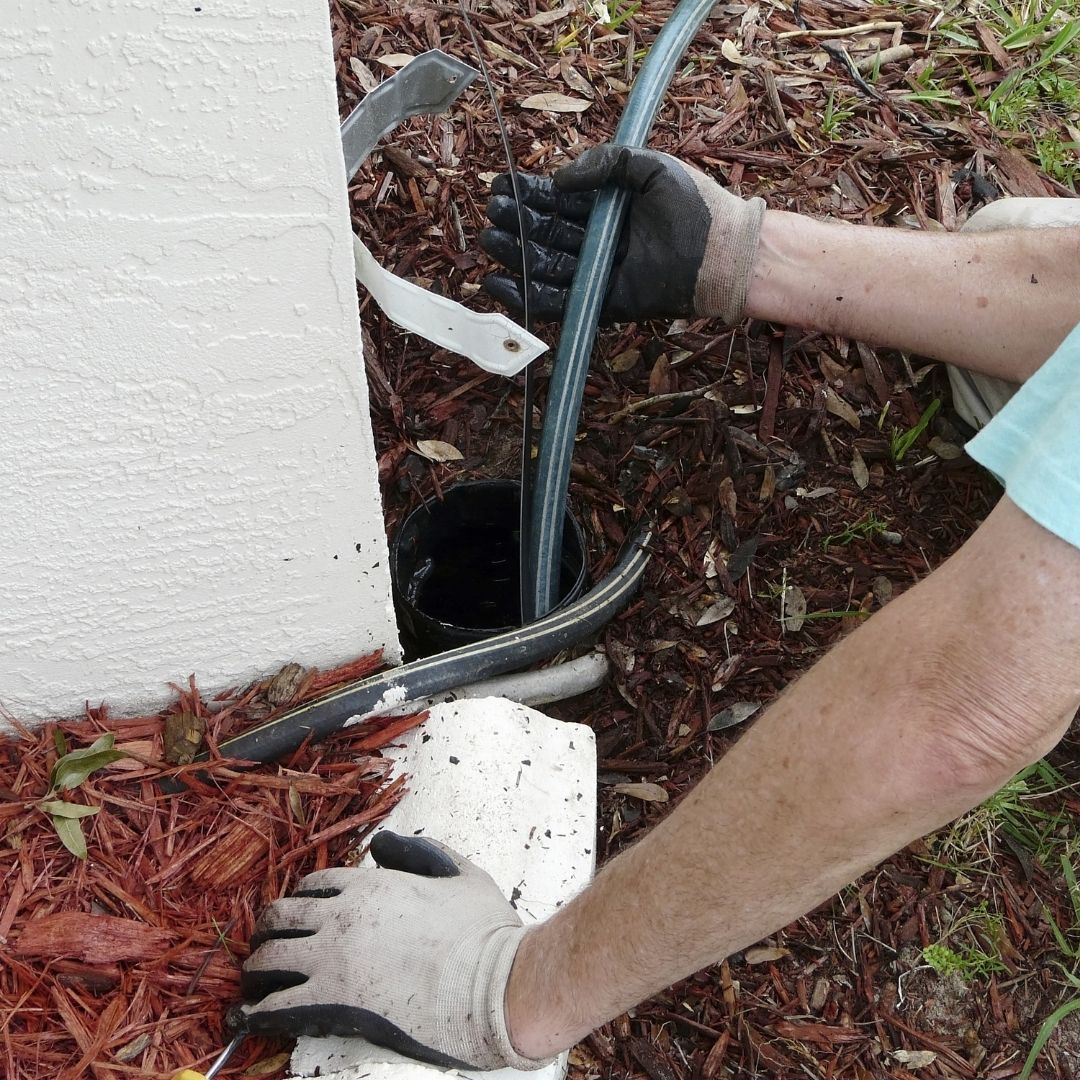
A roof can collect a substantial amount of water during rainfall. Gutters and downspouts should carry that runoff to an appropriate location. If a downspout terminates beside the foundation, has become disconnected from an underground line, or drains into damaged piping, water may collect close to the building.
Surface Runoff
Water naturally follows the contours of the property. Low spots, compacted soil, landscape changes, and alterations to nearby hard surfaces can affect that path. Surface runoff may collect in the yard or move toward a structure when the existing route is inadequate.
Groundwater and Saturated Soil
Some wet areas are influenced by water moving through the soil rather than across its surface. These conditions require careful evaluation because a basic surface drain may not address the underlying source.
Blocked or Damaged Drainage Lines
Catch basins, channel drains, French drains, foundation drainage, and underground downspout lines can lose effectiveness when they become obstructed, separated, crushed, or filled with sediment and roots.
Plumbing or Water-Line Leaks
Not every wet spot is caused by rain. Persistent water during otherwise dry conditions could indicate a leaking outdoor pipe or underground water service line. Dirt Cheap Sewer can help determine whether the problem appears to involve drainage, buried plumbing, or another source requiring further investigation.
Outdoor Drainage Solutions for Bellevue Properties
The right drainage solution depends on the source, volume, and direction of the water. It also depends on the property’s existing drainage infrastructure and whether a suitable discharge location is available.
Dirt Cheap Sewer may evaluate or recommend one or more of the following options when appropriate.
French Drains
A French drain generally uses a perforated pipe surrounded by drainage material to collect subsurface water and move it toward an approved outlet. It may be useful where water repeatedly saturates a section of the yard or moves through the soil toward a vulnerable area.
A French drain is not automatically the correct answer for every wet yard. Its placement, depth, slope, surrounding material, and outlet all affect whether it can perform properly.
Foundation Drainage
Foundation drainage is intended to collect water around the base or perimeter of a structure and direct it away through an appropriate system. Problems may develop when an existing foundation drain is obstructed, damaged, poorly connected, or no longer able to discharge effectively.
Evaluating foundation-adjacent water may require examining downspout connections, grading, accessible drainage components, and the location where the system is expected to release or convey water.
Catch Basins and Area Drains
Catch basins and area drains collect surface water at strategic low points. They can be connected to underground piping that carries the collected water toward an appropriate outlet.
These drains must be properly located and maintained. Installing a basin in the wrong location or connecting it to an inadequate discharge route may relocate the visible symptom without solving the larger problem.
Downspout Drainage
Underground downspout piping can help carry roof runoff away from a structure. If the line is clogged, crushed, separated, or improperly routed, water may overflow near the foundation or emerge elsewhere in the yard.
Depending on the condition of the system, service may involve cleaning, targeted repair, replacement, or rerouting.
Channel and Surface Drains
Channel drains can collect water along driveways, patios, walkways, garage entrances, and other hard surfaces. Their effectiveness depends on correct placement, sufficient slope, ongoing maintenance, and a viable outlet.
Drainage-Line Cleaning and Repair
An existing system may not need to be completely replaced. If the layout remains appropriate and the problem is limited to an obstruction or damaged section, cleaning or a targeted repair may restore function.
The condition and construction of the line will determine which cleaning or repair methods are suitable.
How Dirt Cheap Sewer Evaluates a Drainage Problem
A useful drainage recommendation should be based on more than the location of the largest puddle. Dirt Cheap Sewer evaluates how the entire affected area functions before recommending a course of action.
1. Discuss the Symptoms
The process begins with what you have observed. Helpful details include where water appears, how long it remains, whether the problem only occurs during heavy rain, and whether previous drainage work has been completed.
Photographs or videos taken while the problem is occurring may also help illustrate the direction and volume of the water.
2. Review the Affected Area
The visible condition of the yard, foundation perimeter, hard surfaces, downspouts, catch basins, and accessible drainage components can provide important clues. The evaluation may also consider low points, surface slope, erosion patterns, and potential discharge routes.
3. Investigate Existing Drainage Components
When accessible, existing drains and underground lines may need to be checked for sediment, root intrusion, damaged pipe, failed connections, or other restrictions.
Not every drainage pipe can be inspected or cleaned using the same equipment. Pipe size, material, access, bends, and overall condition may limit the available diagnostic methods.
4. Identify Practical Options
Once the likely source and route of the water are understood, Dirt Cheap Sewer can explain the available options. The recommendation may involve maintenance, repair, replacement, a new collection point, improved conveyance, or a combination of measures.
5. Define the Scope of Work
Before drainage work begins, the proposed system should have a clear purpose: what water it will collect, where it will carry that water, what areas will be disturbed, and what conditions could affect the installation.
Permits, utility locations, property boundaries, easements, or additional design work may also need to be considered depending on the project.
Drainage Repair or a New System?
Finding water on the property does not automatically mean that an entirely new drainage system is required.
An existing system may be repairable when:
- The original layout still serves the affected area
- The outlet remains usable
- The problem is limited to a blockage
- Only a short section of pipe is damaged
- A catch basin or connection has failed
- The system primarily needs cleaning or maintenance
A new or substantially redesigned system may be considered when:
- No effective drainage system currently serves the area
- The existing system lacks an appropriate outlet
- Multiple sections are collapsed or deteriorated
- The original layout does not collect water where it now accumulates
- Property changes have altered how water moves through the site
- A repair would not address the underlying drainage pattern
Dirt Cheap Sewer’s role is to help determine which situation applies. When more than one option is viable, the differences should be explained before the property owner selects a course of action.
Bellevue Drainage Requires a Property-Specific Approach
Bellevue’s public and private drainage infrastructure works together to manage stormwater, but the appropriate solution for an individual property depends on site-specific conditions.
Sloped lots, landscaped areas, retaining walls, driveways, patios, roof runoff, and existing underground systems can all affect how water moves. A change in one area may also influence drainage elsewhere on the property.
Bellevue identifies storm and surface-water management as an interaction between public and private drainage systems. That makes the intended outlet an important part of any drainage plan. Water should not simply be redirected toward a neighboring property, public right-of-way, environmentally sensitive area, or an unapproved connection.
Certain drainage alterations may be subject to Bellevue requirements, development standards, easements, or permits. The applicable rules depend on the location and scope of work. Requirements should therefore be confirmed with the City of Bellevue before construction when necessary.
Dirt Cheap Sewer can evaluate the physical drainage problem and define the proposed work. Projects involving engineering, extensive site modification, or regulatory review may also require coordination with the appropriate city department or another qualified professional.
What Can Limit a Drainage Project?
Although many properties can be improved with a targeted drainage solution, every option has practical limitations.
Factors that can affect the work include:
- Whether a legal and functional discharge point is available
- Depth and location of existing utilities
- Access for excavation and equipment
- Property lines and drainage easements
- Retaining walls or structural components
- Patios, driveways, decks, and established landscaping
- Tree roots and protected vegetation
- Soil conditions and groundwater
- Existing pipe material and condition
- Elevation differences across the property
- City requirements or permitting
- The volume of water entering the area
- Whether the symptoms involve drainage, a plumbing leak, or both
A drainage system must have somewhere appropriate to carry the collected water. If there is insufficient slope or no acceptable gravity outlet, additional design considerations may be necessary. Dirt Cheap Sewer should confirm feasibility after evaluating the property rather than promising a specific installation method in advance.
What Affects the Cost of Outdoor Drainage Work?
Because drainage problems and property layouts vary, an accurate cost cannot be determined from the presence of standing water alone.
Factors that may affect the project cost include:
- The type and source of the water
- The length and depth of the required drainage line
- The number of catch basins or collection points
- Pipe and drainage material requirements
- Excavation access
- Existing landscaping and hard surfaces
- Disposal and restoration requirements
- The condition of existing underground piping
- Utility conflicts
- The availability and distance of an appropriate outlet
- Permit or inspection requirements
- Whether related repairs are discovered during excavation
A focused cleaning or pipe repair will generally have a different scope than installing a new foundation or yard drainage system. An on-site evaluation allows Dirt Cheap Sewer to identify the likely cause, discuss suitable options, and prepare a proposal based on the actual property.
Why Choose Dirt Cheap Sewer for Bellevue Drainage Work?
Outdoor drainage often overlaps with buried piping, sewer systems, water lines, excavation, and other exterior plumbing. Dirt Cheap Sewer evaluates these connected systems so that a wet area is not automatically treated as a simple landscaping problem.
The process is built around these three priorities:
Diagnose Before Recommending
The team begins by identifying the likely source and path of the water. This helps distinguish between surface drainage, an obstructed drain, damaged underground piping, and a possible water-line problem.
Explain the Available Options
When multiple approaches are feasible, Dirt Cheap Sewer can explain what each option is intended to accomplish, what areas may be disturbed, and what limitations should be considered.
Match the Work to the Property
Drainage systems should be designed around the conditions of the property. The recommended scope should reflect the affected area, existing infrastructure, access, elevation, and available discharge route.
Dirt Cheap Sewer is a family-owned company based in Everett with more than 20 years of sewer and outdoor-plumbing experience.
Frequently Asked Questions About Bellevue Drainage Services
The best method depends on why the water is collecting and where it can be discharged. Possible solutions include correcting an existing drain, installing a catch basin, using a French drain, or improving how downspout runoff is conveyed. The property should be evaluated before a particular system is selected.
A properly designed French drain may help collect and redirect subsurface water in certain situations. Its effectiveness depends on its placement, depth, slope, construction, and outlet. Foundation-adjacent water can have several causes, so a French drain should not be assumed to be the correct solution without an evaluation.
Possible causes include poor surface grading, concentrated roof runoff, a disconnected or obstructed downspout line, a failed foundation drain, saturated soil, or damaged underground piping. The timing and location of the water can help narrow down the source.
Sometimes. Cleaning may be appropriate when the drain is accessible, the pipe remains structurally sound, and an obstruction is preventing flow. Replacement or repair may be needed when the pipe is crushed, separated, badly deteriorated, or improperly routed.
Dirt Cheap Sewer evaluates outdoor drainage problems and can recommend collection and conveyance options based on the property. A catch basin or yard drain may be considered when surface water consistently gathers at a defined low point and can be directed to an appropriate outlet.
An underground downspout line may be an option when the route, pipe slope, outlet, and local requirements support it. Existing underground lines can also be evaluated for clogs, damage, or failed connections.
Permit requirements depend on the project’s scope, location, discharge method, and potential effect on public or private drainage systems. Requirements should be confirmed with the City of Bellevue before work begins when applicable.
Cost depends on the cause of the problem, system type, excavation depth, line length, access, materials, restoration needs, and availability of a suitable outlet. An on-site evaluation is needed to define the work and prepare an accurate proposal.
Get a Clear Plan for Your Bellevue Drainage Problem
Standing water, foundation-adjacent moisture, and recurring erosion can point to several different problems. The next step is to determine where the water originates, how it moves across or beneath the property, and whether the existing drainage system can be cleaned or repaired.
Dirt Cheap Sewer can evaluate the affected area, explain what appears to be contributing to the problem, and recommend a practical next step for your Bellevue property.
When requesting an evaluation, include where the water appears, whether it occurs only during rainfall, and whether the property has existing catch basins, French drains, foundation drains, or underground downspout lines. Photographs taken while the problem is active can also provide useful context.