

Dirt Cheap Sewer provides hydro jetting in Seattle to remove suitable grease, sludge, roots, and other buildup from drain and sewer lines. Because high-pressure cleaning is not appropriate for every pipe or blockage, the line’s condition, access, and likely cause of the restriction should be evaluated before hydro jetting is recommended.
What Is Hydro Jetting?
Hydro jetting is a drain and sewer cleaning method that sends pressurized water through a specialized hose and nozzle. The water breaks apart and moves suitable material through the line while cleaning buildup from more of the pipe’s interior surface than a method intended only to open a narrow path through an obstruction.
That distinction matters when a line repeatedly slows or clogs because residue remains along the pipe walls. Grease, sludge, soap residue, sediment, and certain root intrusions can trap additional debris over time. When the pipe is structurally capable of handling the process and there is appropriate access, hydro jetting may provide a more complete cleaning option.
Hydro jetting is still a cleaning service—not a structural repair. It cannot reconnect separated joints, rebuild deteriorated pipe, correct a severe offset, or restore a collapsed sewer line. If the symptoms point to damage rather than ordinary buildup, inspection or repair may be the appropriate next step.
Signs a Line May Need More Thorough Cleaning
The same drain or sewer line keeps becoming slow
Several fixtures are draining slowly at the same time
Toilets bubble or gurgle when another fixture drains
Wastewater backs up through a lower drain
Previous clearing restored flow only temporarily
Grease, sludge, roots, or heavy residue are suspected
An inspection or earlier service identified buildup inside the line
Why the Symptom Pattern Matters
A single slow sink may involve a localized fixture or branch-drain problem. When multiple fixtures are affected, the restriction may be farther along the drainage system or in the property’s side sewer. Recurring symptoms can indicate that an earlier cleaning opened the line without removing the material contributing to repeated blockages.
These signs do not automatically mean hydro jetting is needed. They indicate that the location, cause, and condition of the line should be assessed before choosing equipment or quoting the work.
How Dirt Cheap Sewer Approaches Hydro Jetting
1. Review the Drainage Symptoms
The evaluation begins with the pattern of the problem: which drains or fixtures are affected, whether a backup has occurred, how often the issue returns, and what previous cleaning or repair work has been performed. This helps narrow down whether the problem appears localized or farther along the sewer line.
2. Locate Access and Evaluate the Line
The technician identifies available access points and considers the pipe material, configuration, known history, and suspected obstruction. A sewer camera inspection may be recommended when it can provide useful information about the line or help identify damage. A completely obstructed or dirty line can limit visibility, so cleaning and inspection do not always occur in the same order.
3. Select the Appropriate Cleaning Method
If the pipe and obstruction are suitable, hydro jetting equipment can be configured for the line and material being addressed. In other situations, mechanical cleaning, another access point, preliminary clearing, or a different diagnostic step may be more appropriate.
4. Perform the Agreed Cleaning
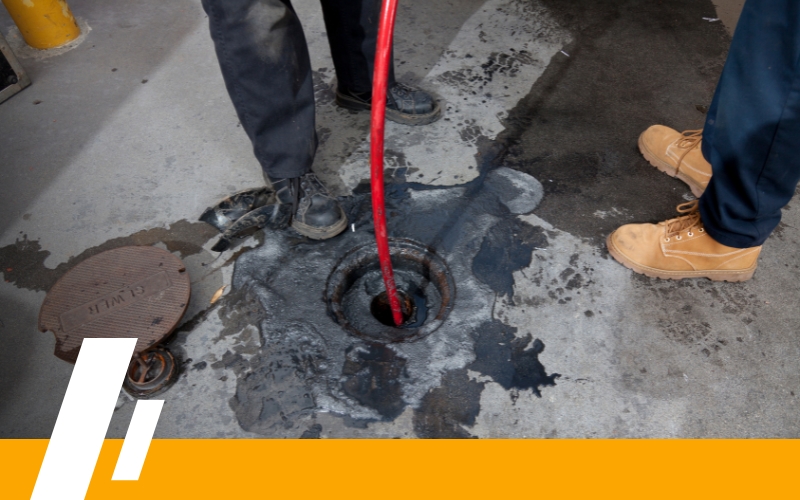
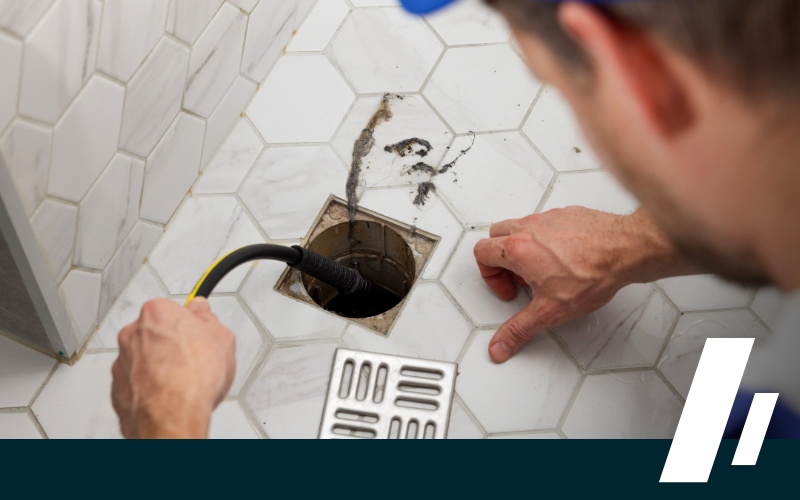
The hose and selected nozzle are introduced through an appropriate access point. Pressurized water works through the line to break up and move suitable accumulations. The exact setup and direction of work depend on access, line configuration, and site conditions.
5. Discuss Findings and Next Steps
After flow is restored or the agreed cleaning is complete, Dirt Cheap Sewer can explain any observed limitations and whether additional inspection, maintenance, or repair should be considered. If cleaning reveals or suggests a structural problem, the recommendation should address that defect rather than promise that repeated jetting will solve it.
Hydro Jetting May Be Appropriate For
- Grease and organic buildup
- Sludge and accumulated residue
- Soap-related deposits in suitable lines
- Sediment or debris that can be safely moved
- Certain root intrusions
- Recurring restrictions caused by material remaining along pipe walls
- Maintenance supported by the line’s condition and service history
Hydro Jetting Does Not Fix
- Cracked, broken, or collapsed pipe
- Separated or severely offset joints
- Missing sections of pipe
- Major corrosion or deterioration
- Improper slope or a persistent low spot
- A foreign object that cannot be safely moved through the line
- Access, configuration, or disposal conditions that prevent safe and effective cleaning
Hydro jetting should not be described as safe for every pipe. Older does not automatically mean unsuitable, and newer does not automatically mean safe. The recommendation should be based on the actual line, including its material, condition, access, configuration, and the type of obstruction present.
Hydro Jetting, Mechanical Cleaning, or Sewer Repair?
Hydro Jetting vs. Mechanical Cleaning
Mechanical equipment can be effective for opening or cutting through certain blockages. Hydro jetting uses water to remove suitable buildup from a broader portion of the pipe interior. Neither method is universally better. The obstruction, pipe condition, access, and desired outcome determine which approach makes sense.
For example, mechanical cleaning may be used when the line must first be opened, when a particular obstruction responds better to a cutting tool, or when high-pressure cleaning is not advisable. Hydro jetting may be considered when residue coating the pipe contributes to recurring restrictions and the line is suitable for thorough cleaning.
Cleaning vs. Repair
Cleaning removes obstructing material. Repair corrects a structural defect. Root removal illustrates the difference: cleaning may restore flow by removing roots from inside the line, but roots usually enter through a joint, crack, or other opening. Unless that entry point is addressed, the roots may return.
When a sewer camera or other evidence shows a broken, collapsed, badly offset, or deteriorated pipe, the next conversation may involve targeted repair, trenchless sewer work, or excavation rather than additional cleaning.
Hydro Jetting for Seattle Side Sewers
Seattle uses the term side sewer for the privately owned pipe that carries wastewater from a property toward the public sewer system. Property owners are generally responsible for their side sewer, while Seattle Public Utilities manages the public system. The location of the obstruction matters because a private contractor should not imply authority over a public sewer main.
Seattle properties can vary significantly in pipe material, age, configuration, previous repairs, access, and landscaping. Those property-specific conditions are more useful than broad assumptions about a neighborhood. A line serving an older home may have different vulnerabilities than a replaced line, but age alone does not identify the cause of a backup or determine whether hydro jetting is appropriate.
If wastewater is actively spilling, flooding, or creating an immediate exposure risk, keep people and pets away from the affected area and follow the appropriate utility guidance. Dirt Cheap Sewer can evaluate private-side symptoms, but public-system concerns and active incidents may also need to be reported to Seattle Public Utilities.
What Affects the Cost of Hydro Jetting in Seattle?
Hydro jetting does not have one responsible price for every property. The scope can depend on:
- The location and severity of the restriction
- Pipe diameter, material, condition, and configuration
- The type and amount of buildup
- Available cleanouts and other access points
- Whether preliminary clearing is required
- Whether a camera inspection is appropriate
- The time and equipment required for the agreed scope
- Site access and debris-handling conditions
- Any structural problem discovered during the work
Why Ask Dirt Cheap Sewer to Evaluate the Line?
Dirt Cheap Sewer lists hydro jetting among its drain and sewer cleaning capabilities and serves Seattle-area property owners with outdoor plumbing and sewer problems. The service recommendation should be based on the individual job—not on a promise that the highest-pressure or most aggressive method is always the right answer.
The goal is to identify what is restricting the line, determine whether cleaning is appropriate, and explain when inspection or repair is the more responsible next step.
Seattle Hydro Jetting FAQs
No. Pipe material, condition, configuration, access, and the type of obstruction should be considered first. A damaged, deteriorated, collapsed, or otherwise vulnerable line may need a different cleaning method, further inspection, or repair.
Depending on the line and equipment selected, hydro jetting may remove grease, sludge, soap residue, sediment, and certain root intrusions. Results depend on the nature of the material, access, and pipe condition. It should not be presented as capable of removing every obstruction.
It is not universally better. Mechanical cleaning can open or cut through certain blockages, while hydro jetting may remove suitable buildup from more of the pipe interior. The right method depends on the obstruction, line condition, access, and service objective.
No. Hydro jetting cleans the inside of a line; it does not repair cracks, separated joints, severe offsets, deterioration, or collapse. If the line has structural damage, Dirt Cheap Sewer can discuss an appropriate repair or replacement option.
Hydro jetting may remove certain roots from inside a suitable sewer line, but it does not seal the opening that allowed them to enter. If roots entered through a defect, they may return until the underlying pipe problem is addressed.
An inspection may be recommended when it can help evaluate the pipe or obstruction, but the correct sequence depends on the situation. A camera may not be able to travel through a fully blocked or heavily coated line, so preliminary clearing may sometimes be needed before a more complete view is possible.
There is no universal schedule. Maintenance should be based on the pipe’s condition, usage, prior blockages, inspection findings, and the material that tends to accumulate. Avoid promising that every property needs annual hydro jetting.
Cost depends on the restriction, pipe condition, access, cleaning scope, and whether inspection or preliminary work is needed. An evaluation is the appropriate way to determine the service and provide a property-specific estimate.
Find Out Whether Hydro Jetting Is Right for Your Seattle Sewer Line
Recurring clogs and slow drainage can result from heavy buildup, roots, a localized obstruction, or structural damage. Dirt Cheap Sewer can evaluate the symptoms and explain whether hydro jetting, mechanical cleaning, sewer inspection, or repair is the appropriate next step for the line.
When requesting service, describe which fixtures are affected, whether wastewater has backed up, how often the problem returns, and any previous cleaning, inspection, or repair work.