

A slow-moving drain might seem like a minor inconvenience, but recurring clogs, unpleasant sewer odors, and wastewater backups can signal problems deeper within your plumbing system. When water cannot move freely through your drains or sewer line, identifying the cause is essential to restoring reliable drainage and preventing further complications.
Dirt Cheap Sewer provides professional drain cleaning and line maintenance in Burien, WA, helping homeowners and property owners address stubborn blockages, accumulated debris, root intrusion, and other conditions that restrict wastewater flow. Our team travels to properties throughout Burien to evaluate drainage problems and recommend cleaning or maintenance methods appropriate for the affected pipes.
Whether you're dealing with a recurring sewer blockage, several slow drains, or a line that has not been inspected in years, we focus on understanding the problem before recommending a solution.
Professional Drain Cleaning for Burien Homes and Properties
Every time wastewater travels through your plumbing, it carries materials that can accumulate along the inside of pipes. Grease, soap residue, sediment, organic debris, and other substances may gradually restrict the available passage. Underground sewer lines can also develop obstructions from tree roots or debris collecting around damaged pipe sections.
Professional drain cleaning addresses these restrictions by removing material that interferes with normal wastewater flow. Unlike a temporary solution that only opens a small passage through a blockage, appropriate cleaning methods can remove more extensive deposits when pipe conditions allow.
Dirt Cheap Sewer focuses on diagnosing and maintaining drain and sewer lines, particularly exterior and underground piping systems that connect buildings to their wastewater disposal systems.
Depending on the condition and accessibility of the line, service may involve:
Clearing accumulated grease, sludge, and other removable deposits.
Removing or reducing obstructions that restrict wastewater flow.
Addressing root intrusion when mechanical cleaning is appropriate.
Using hydro jetting to clean suitable pipes.
Evaluating recurring blockages that may indicate structural problems.
Inspecting sewer lines to determine whether cleaning, maintenance, or repair is necessary.
Not every blockage requires the same treatment. The location, pipe material, extent of buildup, and overall condition of the drainage system influence which methods are appropriate.

Warning Signs Your Drain or Sewer Line Needs Attention

Drainage problems rarely begin with a complete sewer backup. Many develop gradually, producing warning signs that become more noticeable as material accumulates inside the pipes.
Common indications that professional drain cleaning or line maintenance may be needed include:
Slow drainage: Water takes longer than normal to drain from sinks, tubs, showers, or other fixtures.
Recurring clogs: A blockage returns after plunging or another temporary clearing method.
Multiple affected drains: Several plumbing fixtures drain slowly or back up around the same time.
Gurgling noises: Air movement within a partially obstructed drainage system produces unusual bubbling or gurgling sounds.
Sewer odors: Persistent unpleasant smells near drains or cleanouts may indicate trapped waste, drainage problems, or another plumbing defect.
Wastewater backups: Sewage or wastewater emerges from a lower-level fixture, floor drain, or other drainage opening.
Outdoor sewer concerns: Wastewater appearing near an exterior cleanout or along a sewer-line route may indicate a blockage or damaged piping.
A single slow fixture may have a localized obstruction. However, when several drains experience problems simultaneously, the restriction may be located farther downstream in a shared drain or main sewer line.
Repeated backups deserve particular attention. Simply clearing the immediate blockage may not address the underlying condition causing material to accumulate.
Understanding Drainage and Sewer-Line Conditions in Burien
Burien properties rely on different underground systems to manage wastewater and rainfall runoff. Understanding the distinction between sanitary sewer lines and stormwater drainage is important when determining what type of maintenance is needed.
A sanitary sewer line carries wastewater from plumbing fixtures toward the appropriate sewage collection or disposal system. An exterior stormwater drain, by comparison, is designed to manage rainwater from surfaces such as roofs, driveways, and landscaped areas.
Burien's rainy Western Washington climate makes proper stormwater management especially important. Leaves, sediment, and other outdoor debris can affect drainage components, while wastewater lines face separate concerns involving grease accumulation, root intrusion, and deteriorating pipes.
The City of Burien maintains public stormwater infrastructure and has established requirements concerning private stormwater facilities. Sanitary sewer service is managed separately by the applicable sewer utility or district. Property owners may be responsible for maintaining private piping and drainage components, depending on the system and its location.
An important distinction is that water collecting in a yard does not automatically indicate a clogged sewer line. Surface runoff, blocked exterior drains, groundwater, and underground pipe leaks can produce similar visible symptoms.
Dirt Cheap Sewer can help evaluate sewer and outdoor plumbing concerns to determine whether cleaning, further inspection, or another type of service is appropriate.
Drain Cleaning Methods and Maintenance Solutions
Effective drain cleaning begins with understanding what is obstructing the pipe. Different types of buildup respond to different removal methods, and some techniques may be unsuitable for pipes that are already damaged.
Dirt Cheap Sewer evaluates the circumstances of each drainage problem to determine an appropriate approach.
Mechanical Drain and Sewer Cleaning
Mechanical drain cleaning uses specialized tools to break apart, loosen, or remove obstructions from within a pipe. Depending on the equipment and pipe conditions, this approach may be appropriate for certain compacted blockages, root intrusions, and other material that restricts drainage.
Mechanical cleaning can restore a usable passage through an obstruction, but it does not necessarily remove every deposit from the pipe walls or correct damage that allowed the blockage to develop.
The pipe's diameter, material, accessibility, and structural condition all influence whether mechanical cleaning is a suitable option.
Hydro Jetting for Drain and Sewer Lines
Hydro jetting uses high-pressure water delivered through specialized equipment to remove accumulated material from the interior of suitable pipes.
Unlike some mechanical cleaning methods that primarily open a path through a clog, hydro jetting can help remove grease deposits, sludge, loose sediment, and buildup along pipe walls.
This can make hydro jetting useful for certain recurring drainage restrictions and maintenance situations where extensive residue has accumulated.
However, high-pressure cleaning is not appropriate for every sewer line. Severely deteriorated, broken, or otherwise compromised piping may require a different approach. Evaluating the condition of the line helps determine whether hydro jetting can be performed safely and effectively.
Learn more about Dirt Cheap Sewer's drain cleaning and line maintenance services:
https://dirtcheapsewer.com/services/drain-cleaning-line-maintenance/
Sewer Camera Inspection and Blockage Diagnosis
When a clog repeatedly returns or its source remains uncertain, a sewer camera inspection can provide useful information about conditions inside the pipe.
A specialized camera travels through accessible portions of the sewer line, allowing the technician to observe internal conditions. Depending on visibility and access, an inspection may identify:
Root intrusion through pipe joints or openings.
Cracks, displaced connections, or broken pipe sections.
Grease deposits and other accumulated debris.
Low sections of pipe where wastewater and solids collect.
Pipe deformation or other structural deterioration.
Obstructions that cannot be fully addressed through cleaning alone.
Camera inspection can help distinguish between a maintenance problem and a structural defect. In some situations, preliminary cleaning is necessary before the camera can adequately examine the affected section.
For more information about sewer inspection services, visit:
Why Sewer Lines Develop Recurring Clogs
Clearing a drain does not always eliminate the reason it became blocked. If a sewer line repeatedly clogs, understanding the underlying cause can help avoid an ongoing cycle of temporary fixes.
Several conditions can contribute to recurring drainage problems.
Grease and Waste Accumulation
Fats, oils, and grease can adhere to interior pipe surfaces and collect additional debris over time. Even when grease enters the drain in liquid form, it can cool and contribute to persistent restrictions.
Tree Root Intrusion
Tree roots naturally seek moisture and may enter underground sewer lines through cracks, joints, or other openings. Roots can catch waste and create increasingly severe blockages. Cleaning may remove the immediate obstruction without eliminating the entry point.
Pipe Misalignment or Deterioration
A damaged or displaced pipe joint can interrupt smooth wastewater flow. Material may collect around the defect, causing repeated clogs even after the line has been cleaned.
Low or Sagging Pipe Sections
A low section of sewer pipe, sometimes called a belly, can allow wastewater and solids to accumulate rather than flow consistently toward the sewer connection. Cleaning can remove collected material, but it cannot correct the pipe's slope.
Improperly Disposed Materials
Disposable wipes, hygiene products, excessive paper, and other materials not intended for sewer disposal can create obstructions. Products labeled flushable may still contribute to clogs.
Identifying these conditions matters because repeated cleaning is not always the most effective long-term solution. If an inspection reveals structural damage, repairing the affected section may be necessary.
Routine Sewer-Line Maintenance and Preventive Care
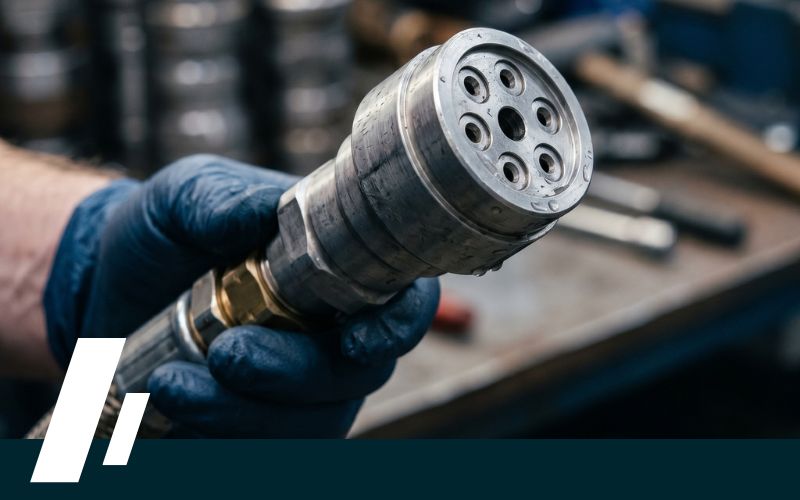
Drain and sewer-line maintenance can help property owners address developing restrictions before they result in significant backups.
Preventive maintenance is particularly worth considering when a property has a history of recurring clogs, root intrusion, extensive grease buildup, or other documented sewer-line concerns.
A maintenance approach may include periodic evaluation, appropriate cleaning, and reviewing previous inspection findings to determine whether the condition of the line has changed.
The appropriate maintenance frequency depends on several factors, including:
The age, material, and condition of the sewer line.
Previous blockage history.
The presence of roots or recurring debris accumulation.
The amount and type of wastewater passing through the system.
Pipe slope, configuration, and access points.
Findings from previous cleaning or camera inspections.
Not every property needs cleaning on a fixed schedule. A relatively clean, properly functioning sewer line may require a different maintenance approach than one with documented root intrusion or repeated obstructions.
Property owners can also reduce avoidable drainage problems through everyday practices.
Avoid pouring cooking grease or oil down drains. Dispose of wipes, paper towels, and hygiene products in the trash rather than flushing them. Keep accessible outdoor drainage openings free of leaves and debris, and address recurring drainage symptoms rather than repeatedly relying on chemical drain cleaners.
These habits cannot prevent every underground pipe problem, but they can help reduce unnecessary buildup and blockages.
When Drain Cleaning Is Not Enough
Drain cleaning is designed to remove obstructions and accumulated material. It cannot rebuild a collapsed sewer line, reconnect separated pipe sections, or permanently seal structural defects.
If cleaning does not restore proper drainage, or if the same blockage repeatedly develops in one location, further investigation may reveal a problem that requires repair.
Depending on the findings, the next step may involve a targeted pipe repair, trenchless rehabilitation, or excavation to access damaged underground piping.
For example, a sewer line with removable grease accumulation may only need thorough cleaning. A pipe with repeated root intrusion through a broken joint may benefit from cleaning followed by structural repair. A severely collapsed section may require replacement rather than continued attempts to clear it.
The appropriate solution depends on the extent of damage, pipe material, access conditions, and location of the affected section.
Dirt Cheap Sewer offers services extending beyond routine cleaning, allowing property owners to explore repair options when an underlying pipe defect is discovered.
Learn more about sewer repair and replacement:
https://dirtcheapsewer.com/services/sewer-line-repair-replacement/seattle/
What to Expect During a Drain Cleaning Evaluation
A useful drain cleaning evaluation looks beyond the immediate symptom. Understanding where the blockage occurs and why it developed helps determine the most appropriate response.
Dirt Cheap Sewer's approach begins with reviewing the reported problem and assessing the affected drainage system.
1. Discuss the drainage symptoms.
Information about slow drains, recurring blockages, wastewater backups, and previous maintenance helps narrow down possible causes. Knowing whether one fixture or several fixtures are affected is particularly useful.
2. Evaluate the affected line.
The location of the blockage, accessible cleanouts, pipe condition, and available maintenance history can influence the recommended service. Camera inspection may be appropriate when a structural concern is suspected.
3. Determine a cleaning or maintenance approach.
Based on the findings, an appropriate cleaning method can be selected. The goal is to address the restriction without assuming that every pipe requires the same equipment or procedure.
4. Assess whether additional work is necessary.
After cleaning, the condition of the line and its drainage performance may indicate whether further investigation or repair is warranted. Persistent structural concerns may require a separate scope of work.
5. Explain the findings and next steps.
Property owners can review the identified concern, available options, and recommendations for future maintenance or repair.
The exact service process, equipment, estimated cost, and project duration depend on the conditions encountered at the property.
Factors That Affect Drain Cleaning and Line Maintenance
Some drain cleaning projects involve a straightforward, accessible obstruction. Others require more extensive investigation because the blockage is deep within an underground sewer line or associated with deteriorating pipes.
Several factors influence the complexity of the work.
Blockage Location and Severity
An obstruction near an accessible cleanout may be easier to address than one located farther along a buried sewer line. Dense root growth, heavy deposits, or multiple restrictions can require additional cleaning or inspection.
Pipe Material and Condition
Older or compromised pipes may limit which cleaning methods can be used. Damaged joints, corrosion, cracks, and structural instability can change the appropriate approach.
Access to the Sewer Line
The availability and location of cleanouts can affect how equipment reaches the blockage. Some properties may require additional investigation to identify suitable access.
Recurring Problems
A line that repeatedly backs up may require more than a single cleaning visit. Camera inspection or further evaluation may be needed to determine whether an underlying defect is responsible.
Additional Repairs
If a structural problem is identified, the repair scope depends on the pipe's location, depth, accessibility, surrounding site conditions, and applicable requirements.
For property owners in Burien, these differences are why an estimate based on actual conditions is more useful than assuming every clogged sewer line requires the same treatment.
Why Choose Dirt Cheap Sewer for Drain Cleaning in Burien?
When wastewater stops flowing properly, you need more than a temporary fix. You need a clear understanding of what is happening inside the drainage system and which solutions make sense for your property.
Dirt Cheap Sewer is a family-owned sewer and outdoor plumbing company serving Burien and other Western Washington communities. Our work includes drain cleaning, line maintenance, sewer inspection, sewer repair, and underground plumbing services.
Our approach emphasizes practical evaluations and solutions appropriate for the actual condition of the pipes.
Focused Sewer and Outdoor Plumbing Services
Underground wastewater systems present challenges that differ from ordinary fixture-level plumbing problems. Our sewer and exterior plumbing services address the buried infrastructure where recurring blockages and other drainage problems can develop.
Cleaning and Inspection Options
Drain cleaning is not always the end of the process. When symptoms suggest damaged piping, sewer camera inspection can help identify the condition responsible for recurring restrictions.
Solutions Based on Actual Conditions
Some properties need an obstruction removed. Others have structural concerns requiring a different approach. We focus on evaluating the affected line before recommending a cleaning or repair method.
Clear Communication About the Work
Understanding the problem and the proposed solution helps property owners make informed decisions. Our goal is to explain the findings and available options rather than recommend unnecessary work.
Whether you are managing a recurring sewer clog or investigating a drainage concern for the first time, Dirt Cheap Sewer can help determine an appropriate next step.
Frequently Asked Questions About Drain Cleaning in Burien
Drain cleaning is generally appropriate when removable material is restricting wastewater flow through an otherwise serviceable pipe. Sewer-line repair may be necessary when the problem involves cracks, collapsed sections, displaced joints, or other structural defects.
If your drains repeatedly clog or several fixtures back up simultaneously, a sewer camera inspection may help distinguish between a cleaning issue and a damaged pipe.
Hydro jetting can be effective for suitable sewer lines, but older pipes require consideration of their material and structural condition.
Age alone does not determine whether hydro jetting is safe. Cracks, deterioration, damaged joints, and other defects can make high-pressure cleaning unsuitable. A property-specific evaluation helps determine whether hydro jetting or another method is appropriate.
There is no universal cleaning schedule that applies to every property. A sewer line with a history of root intrusion or recurring obstructions may benefit from periodic maintenance, while a line without documented drainage problems may not require routine cleaning at the same frequency.
Previous inspection findings, pipe condition, and blockage history can help establish a sensible maintenance plan.
Certain mechanical cleaning methods can cut or reduce root intrusions inside accessible sewer piping. However, removing roots from the pipe does not necessarily eliminate the opening through which they entered.
If roots have penetrated damaged joints or cracks, they may return. A camera inspection can help determine whether cleaning is sufficient or whether a pipe repair is necessary to address the entry point.
Stop using water-dependent fixtures and appliances that discharge into the affected drainage system, including sinks, showers, toilets, and washing machines. Additional wastewater can make an existing backup worse.
Avoid direct contact with sewage and keep children and pets away from contaminated areas. Contact a sewer professional to evaluate the problem before resuming normal water use. If sewage is near electrical outlets or equipment, avoid entering the affected area and seek appropriate professional assistance.
Property owners are generally responsible for maintaining their private sewer laterals, often called side sewers, while the applicable sewer utility maintains designated public infrastructure.
However, the exact point where responsibility changes depends on the serving utility and the property's connection arrangement. Burien is served by sewer districts with their own service boundaries and requirements.
If you are unsure whether a blockage is located in private or utility-owned piping, an inspection and consultation with the applicable sewer provider can help clarify the situation.
Schedule Drain Cleaning and Line Maintenance in Burien, WA
A recurring clog, slow sewer line, or unexpected wastewater backup can interfere with everyday life and leave you wondering whether a larger underground problem is developing.
Dirt Cheap Sewer provides professional drain cleaning and line maintenance in Burien, WA, with a focus on identifying drainage restrictions, evaluating pipe conditions, and recommending practical solutions for your property.
Whether your sewer line needs cleaning, preventive maintenance, or further investigation, our team can help you understand the options and take the next step toward more reliable drainage.
Dirt Cheap Sewer — We do dirty jobs, done dirt-cheap.