

Plumbing problems do not always happen inside the house.
Water lines, sewer laterals, exterior drains, cleanouts, underground piping, and other parts of a property's plumbing system can all develop problems outside the building. When they do, finding the source of the issue often matters just as much as choosing the repair.
Dirt Cheap Sewer provides outdoor plumbing services in Kent for property owners dealing with suspected underground pipe problems, water appearing where it should not, sewer or drain concerns, damaged exterior plumbing, and other issues involving buried or outside plumbing systems.
The right repair depends on what is actually happening underground. Rather than assuming every wet yard means a broken water line or every slow drain means the sewer needs replacement, the first step should be identifying the affected system and determining where the problem originates.
What Does an Outdoor Plumber Work On?
An outdoor plumber focuses on plumbing systems located outside the walls of your home or building.
Depending on the property and the source of the problem, that can include:
- Underground water service lines
- Exterior sewer lines
- Sewer laterals
- Outdoor cleanouts
- Buried drain piping
- Exterior plumbing connections
- Yard drainage piping
- Foundation drainage components
- Underground pipe leaks
- Damaged or deteriorated buried plumbing
- Plumbing affected by excavation, settlement, or root intrusion
Some symptoms can point to more than one system.
For example, standing water in a yard could result from drainage conditions, a damaged water line, or another underground source. A sewage odor outside could be related to the sewer system, while persistent wet soil near a foundation may require investigation of both plumbing and drainage conditions.
That is why diagnosis comes before repair.
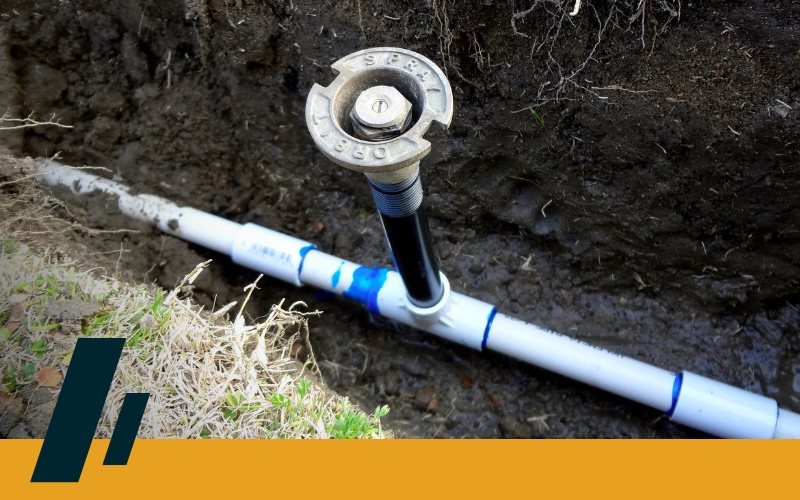
Signs You May Need an Outdoor Plumber
Outdoor plumbing problems are not always obvious at first. In many cases, the first warning sign appears above ground even though the actual problem is buried.
Common reasons Kent property owners may need an outdoor plumber include:
Unexplained Wet Areas in the Yard
A section of lawn that stays wet when the surrounding soil is dry may indicate water entering the area from below ground.
Possible causes can include:
- A leaking underground water line
- Damaged drainage piping
- Poor surface drainage
- Groundwater
- Irrigation problems
- Another buried plumbing issue
The location and behavior of the water can provide clues, but excavation should not automatically be the first step.
Unusually Soft or Soggy Soil
Soil that suddenly becomes soft, muddy, or unstable may indicate ongoing underground moisture.
Determining whether that moisture comes from plumbing, drainage, rainfall, groundwater, or another source helps avoid repairing the wrong system.
Low Water Pressure
A noticeable change in water pressure can sometimes be associated with a problem in the water service line, although there are many other possible causes.
If an underground line is suspected, the plumbing system should be evaluated before assuming replacement is necessary.
Rising Water Usage
An unexplained increase in water consumption can sometimes indicate leakage somewhere in the plumbing system.
When there are no obvious indoor leaks, the buried water service line may be one area worth investigating.
Sewer Odors Outside
Persistent sewage odors near a yard, cleanout, or sewer route can indicate a sewer or drain issue that warrants further evaluation.
The presence of an odor alone does not determine whether the line needs cleaning, repair, or replacement.
Recurring Drain or Sewer Problems
Repeated backups, slow drains, or sewer problems may point to an issue farther downstream in the property's sewer line.
A sewer inspection can often provide more useful information before deciding whether excavation or another repair method is appropriate.
Visible Damage to Exterior Plumbing
Broken cleanouts, exposed piping, damaged fittings, or plumbing disturbed during landscaping or construction may require exterior plumbing repair.
Outdoor Plumbing Problems Should Be Diagnosed Before They Are Dug Up
Because much of an outdoor plumbing system is buried, guessing can become expensive.
A wet yard does not automatically mean a water main has failed.
A sewer backup does not automatically mean a sewer line needs replacement.
And drainage around a foundation is not necessarily a plumbing leak.
A good diagnostic process should narrow the problem down before determining what kind of repair makes sense.
Depending on the symptoms, that process may include evaluating:
What system appears to be affected
Is the problem connected to potable water, sewer, drainage, or another exterior plumbing component?
Where the symptoms are occurring
The location of standing water, odors, backups, or damaged plumbing can help identify which system needs further investigation.
Whether inspection or testing can clarify the problem
Sewer camera inspection, line evaluation, or other diagnostic steps may be appropriate depending on the suspected system.
Whether repair is actually necessary
Some problems may require cleaning, maintenance, adjustment, or drainage correction rather than pipe replacement.
Which repair method fits the confirmed problem
Once the condition and location of the affected line are understood, repair options can be compared based on the property and the pipe itself.
Outdoor Plumbing Services for Kent Properties
The exact scope of work depends on what is found during evaluation, but outdoor plumbing can overlap with several specialized services.
Underground Water Lines and Water Mains
The water service line carries water from the utility connection toward the building.
Leaks or damage to this buried line may lead to:
- Wet areas
- Loss of pressure
- Unexpected water use
- Soil erosion
- Visible water surfacing outside
If the water service line is damaged, the appropriate repair depends on factors such as the pipe material, location, accessibility, and extent of the problem.
Sewer Line Problems
The private sewer line carries wastewater away from the building toward the public sewer connection or another approved wastewater system.
Potential sewer problems can include:
- Cracks
- Separated joints
- Root intrusion
- Deteriorated pipe
- Low areas or bellies
- Collapsed sections
- Blockages
- Damaged connections
A sewer camera inspection can help determine what is happening inside accessible portions of the line before deciding whether cleaning, repair, or replacement is warranted.
Outdoor Drain and Drainage Problems
Not every exterior water problem involves potable water or sewer piping.
Properties can also have drainage systems intended to manage runoff, groundwater, or water around structures.
Depending on the problem, drainage work may involve systems such as:
- Yard drains
- Catch basins
- Drain piping
- Foundation drainage
- Exterior drainage routes
A drainage problem should be distinguished from a plumbing leak before deciding on a repair.
Exterior Drain Lines
Drain lines can accumulate debris, roots, grease, scale, or other material depending on the line and how it is used.
When the primary problem is a blockage rather than structural failure, cleaning may be more appropriate than excavation.
Outdoor Plumber vs. Sewer Contractor vs. Drainage Contractor
These services can overlap, but they are not identical.
Outdoor Plumbing
Outdoor plumbing generally involves water, sewer, drain, and other plumbing components located outside or underground.
Sewer Work
Sewer work focuses specifically on wastewater piping, including inspection, cleaning, repair, trenchless methods, replacement, and excavation when necessary.
Drainage Work
Drainage systems generally manage groundwater or surface water rather than household wastewater.
Examples may include foundation drainage, yard drainage, and systems designed to move excess water away from structures or low areas.
Correctly identifying which system is causing the problem prevents unnecessary work.
When Is Excavation Necessary?
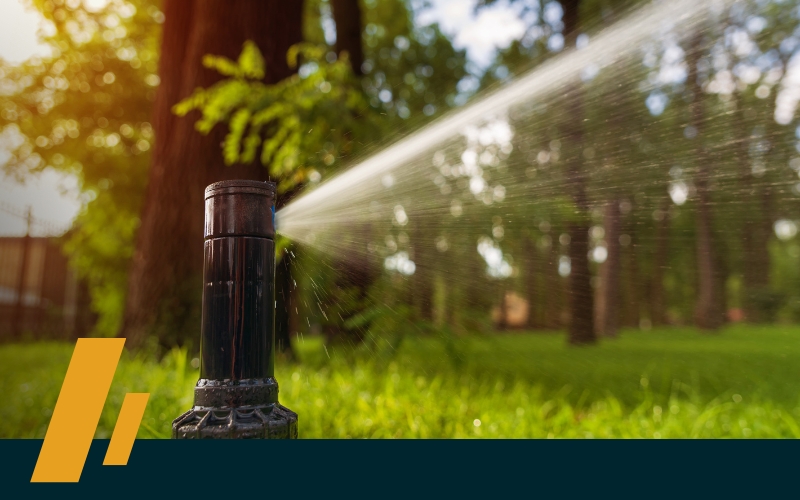
Some outdoor plumbing repairs eventually require excavation, but digging should be based on a diagnosed problem rather than assumptions.
Traditional excavation may be appropriate when:
- A damaged pipe must be directly exposed
- A section of line needs physical replacement
- Access cannot reasonably be achieved another way
- Pipe alignment or surrounding conditions require open access
- Exterior plumbing components need to be installed or reconstructed
The amount of excavation required can vary significantly depending on pipe depth, location, surface conditions, utilities, landscaping, and the repair itself.
Before excavation begins, applicable utility-location and permitting requirements should be confirmed for the specific project.
Can Outdoor Plumbing Be Repaired Without Digging Up the Entire Yard?
Sometimes.
Certain sewer problems may qualify for trenchless repair methods that reduce the amount of open excavation compared with conventional replacement.
However, trenchless repair is not appropriate for every line.
Whether it is an option may depend on:
- Pipe condition
- Pipe material
- Alignment
- Diameter
- Severity of damage
- Existing access
- Location of the affected section
- Surrounding underground conditions
An inspection should determine whether trenchless repair is technically appropriate before it is recommended.
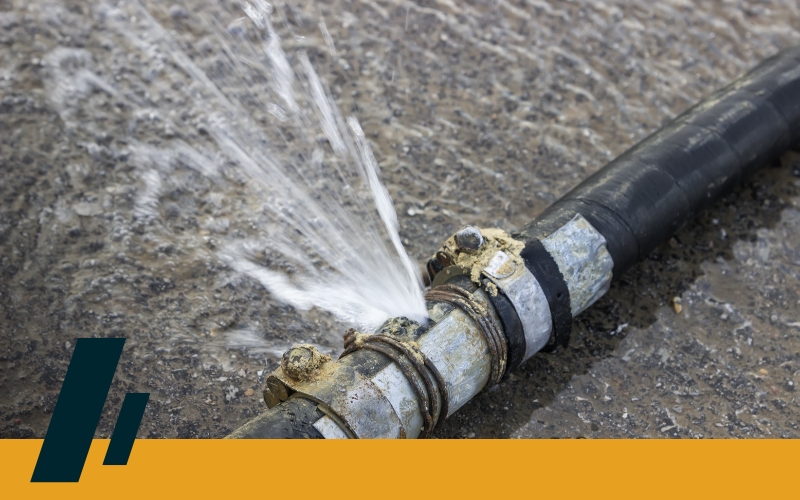
Outdoor Plumbing in Kent
Kent properties can vary significantly in age, lot size, grading, landscaping, pipe materials, and the location of underground utilities.
Those differences matter when diagnosing exterior plumbing problems.
A property with mature landscaping may have different sewer concerns than a newer development. A sloped lot may experience drainage behavior differently than a flatter property. Previous repairs, additions, retaining walls, driveways, patios, or landscaping work can also influence access to underground plumbing.
The goal should be to understand the actual conditions on the property rather than assume one repair method applies everywhere.
Local permitting, right-of-way requirements, utility ownership boundaries, and responsibility for particular sections of piping can also vary by project and should be verified before work begins when applicable.
Repair or Replace an Underground Pipe?
Finding a damaged underground pipe does not automatically mean the entire line should be replaced.
The decision between localized repair and broader replacement can depend on several factors.
A Localized Repair May Make Sense When:
- Damage is limited to a specific area
- The remaining pipe is in serviceable condition
- The affected section can be accessed reasonably
- There is no evidence of widespread deterioration
Replacement May Make More Sense When:
- Multiple areas are damaged
- The pipe has extensive deterioration
- Failures have become recurring
- The existing pipe condition makes repeated repairs impractical
- A larger portion of the line no longer functions reliably
An inspection helps provide the evidence needed to compare those choices.
What Affects the Cost of Outdoor Plumbing Work?
There is no single price that accurately applies to every underground plumbing project.
Cost can depend on factors such as:
- Type of plumbing system
- Location of the damaged line
- Pipe depth
- Length of affected piping
- Pipe material
- Accessibility
- Excavation requirements
- Surface restoration
- Landscaping
- Concrete or pavement
- Nearby utilities
- Required inspection or testing
- Repair method
- Permitting requirements when applicable
A relatively accessible localized repair can be very different from replacing a deeply buried line beneath hardscape.
The most useful estimate comes after the scope of the actual problem is understood.
Why Work With Dirt Cheap Sewer for Outdoor Plumbing?
Outdoor plumbing problems often involve more than simply exposing a pipe and replacing it.
The symptoms first need to be connected to the correct system.
Dirt Cheap Sewer's outdoor plumbing approach is built around identifying the problem before determining the repair. That may mean evaluating sewer conditions, underground water lines, drainage issues, or related exterior piping before recommending the next step.
The objective is straightforward: understand what is wrong, determine the practical options, and match the repair to the conditions found on the property.
Need an Outdoor Plumber in Kent?
If you are dealing with unexplained water in the yard, suspected underground pipe damage, sewer problems, damaged exterior plumbing, or another issue outside your home, the first step is determining which system is responsible.
Dirt Cheap Sewer can evaluate the problem and help determine the appropriate next step based on the conditions found.
Related Sewer, Drain, and Underground Plumbing Services in Kent
Outdoor plumbing problems sometimes overlap with other underground systems. Depending on what is causing the symptoms, you may also need:
Sewer Line Repair and Replacement
For damaged or deteriorated sewer piping that requires structural repair or replacement.
Sewer Inspection
For investigating recurring sewer problems and evaluating accessible portions of a sewer line with a camera.
Trenchless Sewer Repair
For qualifying sewer lines that may be repairable with reduced open excavation.
Sewer Excavation
For projects that require direct access to buried sewer piping.
Drain Cleaning and Line Maintenance
For blockages and buildup that may be resolved without structural pipe replacement.
Outdoor and Foundation Drainage
For water-management problems involving runoff, groundwater, yard drainage, or drainage around structures.
Water Lines and Water Mains
For underground water service line problems.
Hydro Jetting
For applicable drain and sewer lines that require high-pressure cleaning.
Drain Specialists
For diagnosing and addressing recurring or difficult drain problems.
Frequently Asked Questions About Outdoor Plumbing in Kent
An outdoor plumber works on plumbing systems located outside buildings, including underground water lines, sewer lines, exterior drains, cleanouts, and other buried or exterior plumbing components. The exact service needed depends on which system is causing the problem.
Possible signs include unexplained wet areas, unusually soft soil, reduced water pressure, or increased water usage. These symptoms can have other causes, so the suspected line should be evaluated before assuming there is an underground leak.
No. Wet soil can result from plumbing leaks, poor drainage, groundwater, irrigation, rainfall, or other conditions. Identifying the source of the water is important before recommending excavation or pipe repair.
Some sewer problems may qualify for trenchless repair, but not every pipe is a candidate. Pipe condition, alignment, material, access, and the type of damage should be evaluated before deciding whether trenchless repair is appropriate.
It depends on the extent of the damage and the condition of the remaining pipe. A localized problem may be repairable, while widespread deterioration or recurring failures may make replacement more practical.
Some exterior drainage work overlaps with underground plumbing, but drainage systems serve a different purpose than sewer or potable water systems. The source of the water should first be identified so the correct system is repaired.
Responsibility can vary depending on the type of pipe, its location, utility boundaries, easements, and local rules. Ownership and responsibility should be confirmed for the specific line and property before work begins.
Get Help With an Outdoor Plumbing Problem in Kent
Underground plumbing problems can be difficult to diagnose from the surface.
Before digging up a yard or replacing a pipe, determine whether the problem involves the sewer system, water service, drainage system, or another exterior plumbing component.
Dirt Cheap Sewer can help evaluate outdoor plumbing problems in Kent and determine what repair options make sense based on the conditions found.