

Water on your property has to go somewhere.
When runoff repeatedly collects beside the house, leaves sections of the yard saturated, moves toward the foundation, or creates muddy areas that never seem to dry out, the problem may be related to the way surface or subsurface water moves across the property.
Dirt Cheap Sewer provides outdoor and foundation drainage services in Newcastle to help property owners investigate these problems and determine what type of drainage work may be appropriate.
Depending on the property and the source of the water, the solution could involve improving drainage pathways, addressing damaged or poorly functioning drain lines, collecting runoff before it reaches a vulnerable area, or modifying an existing exterior drainage system.
The important part is determining where the water is coming from and where it can safely go before deciding what needs to be installed or repaired.
Signs Your Newcastle Property May Have a Drainage Problem
Not every wet patch in a yard requires a new drainage system. Western Washington gets significant seasonal rain, and temporary wet conditions after a storm aren't unusual.
Recurring patterns are different.
You may want to have the property drainage evaluated when you notice:
- Standing water that remains long after rainfall has stopped
- Persistent muddy or saturated areas
- Water repeatedly collecting next to the foundation
- Runoff flowing toward the home instead of away from it
- Water collecting in low spots along walkways, patios, or landscaped areas
- Downspout discharge creating erosion or pooling
- Existing outdoor drains backing up or draining slowly
- Soil washing away during heavier rainfall
- Water repeatedly entering a crawlspace or other below-grade area
- Drainage problems that become more noticeable during the rainy season
- An older exterior drainage system that no longer appears to work properly
The location and timing of the water can provide important clues.
For example, water that appears only during heavy rainfall may point toward a surface-water or runoff problem. Water concentrated around a specific drain may indicate a blockage or damaged drainage line. Moisture consistently appearing along a foundation may require a broader evaluation of grading, runoff, drainage infrastructure, and subsurface conditions.
Treating every situation as the same problem can lead to unnecessary work.

Why Outdoor Drainage Matters Around a Foundation

Exterior drainage is largely about controlling the path water takes around a property.
Ideally, rainfall and other surface water should be collected, redirected, absorbed, or conveyed without repeatedly saturating vulnerable areas.
When that does not happen, water can concentrate around landscaping, hardscapes, low areas, or the perimeter of a structure.
Foundation drainage concerns deserve particular attention because simply moving visible water a few feet away does not necessarily solve the underlying problem.
A useful drainage evaluation may need to consider:
- Property grading
- Roof and downspout discharge
- Existing catch basins
- Exterior drain lines
- Foundation or footing drainage
- Surface runoff patterns
- Low areas in the yard
- Soil saturation
- Nearby slopes
- Existing discharge locations
- Connections between different drainage components
The objective is not simply to make standing water disappear temporarily. The drainage system needs a practical path for moving or managing the water.
Newcastle Properties Can Present Unique Drainage Challenges
Drainage deserves particular attention in Newcastle because the city includes substantial elevation changes, hillsides, waterways, wetlands, and developed areas where stormwater must move through a combination of natural and constructed drainage systems.
The City of Newcastle identifies Coal Creek, East Lake Washington, and May Creek as its three major watershed areas. Local drainage ultimately interacts with waterways including Lake Boren, China Creek, Boren Creek, Newport Hills Creek, Gypsy Creek, May Creek, and nearby wetlands. The city specifically notes that runoff from rooftops, roads, and other hard surfaces can contribute to flooding and water-quality concerns when it is not properly managed.
Topography also matters. Areas around Newcastle include both relatively level ground and moderate-to-steep hillsides, making the direction and concentration of runoff especially important on some properties.
That means a Newcastle drainage problem should be evaluated in the context of the actual property rather than addressed with a one-size-fits-all installation.
A home on sloping ground may face very different drainage conditions from a property near a flatter portion of Lake Boren or an established neighborhood where roofs, driveways, landscaping, retaining areas, and neighboring lots all influence the way water moves.
How We Approach an Outdoor Drainage Problem
1. Start With the Symptoms
The first step is understanding what is actually happening.
Where does the water appear?
Does it happen after every rainfall or only during major storms?
How long does the area stay wet?
Is water coming from the roof, uphill portions of the property, an existing drain, or somewhere that is not immediately obvious?
These observations can narrow the investigation considerably.
2. Evaluate How Water Moves Across the Property
Drainage systems work as part of the surrounding landscape.
The evaluation may consider slopes, low areas, hard surfaces, downspouts, existing drains, landscape features, and other conditions affecting the direction of runoff.
3. Examine Existing Drainage Infrastructure
If the property already has outdoor drainage, the problem may not require an entirely new system.
An existing line could be:
- Clogged
- Damaged
- Crushed
- Separated
- Improperly routed
- Overwhelmed
- Disconnected
- No longer functioning as intended
Determining whether existing infrastructure can be restored or repaired can help avoid making assumptions about replacement.
4. Identify Practical Drainage Options
Once the likely cause is better understood, appropriate options can be discussed based on the site.
Not every drainage method works on every property.
Outdoor Drainage Solutions Depend on the Source of the Water
There is no single drainage system that solves every wet-yard or foundation-water problem.
Depending on site conditions and the diagnosed issue, an exterior drainage project could involve components such as:
Catch Basins and Surface Drains
Catch basins or area drains can collect water from locations where runoff naturally concentrates.
They may be appropriate around certain low areas, hardscapes, driveways, or landscaped spaces when there is a suitable path for the collected water.
French Drain-Type Systems
A subsurface drainage system may help intercept water moving through saturated soil in certain applications.
However, installing a perforated drain without understanding the soil, slope, and discharge location can simply relocate the problem.
Downspout Drainage
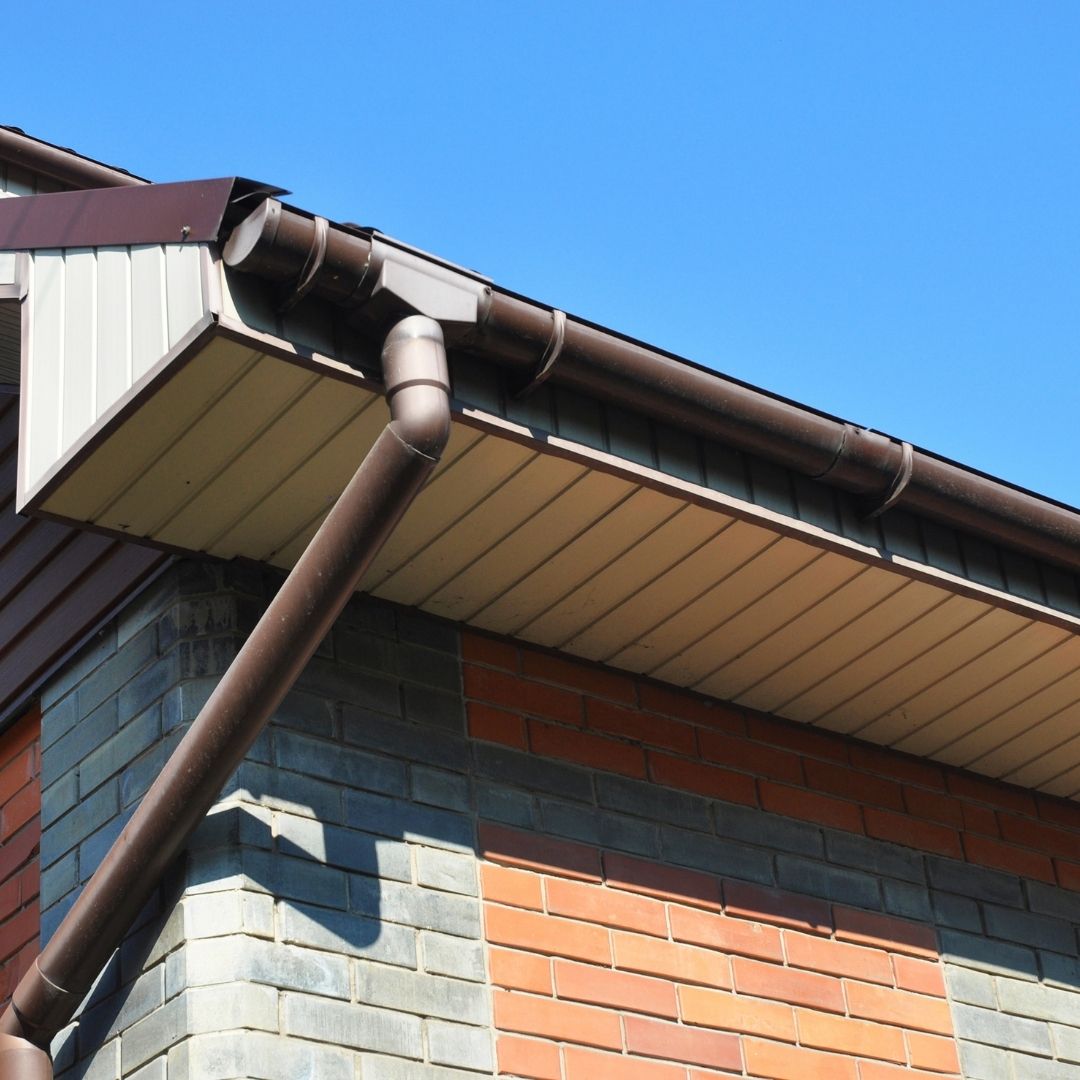
Roof runoff represents a substantial amount of concentrated water.
If downspouts empty beside the foundation or feed into damaged underground piping, correcting that drainage pathway may be part of the solution.
Foundation or Footing Drainage
Some properties contain drainage infrastructure around the foundation intended to manage subsurface water.
When foundation drainage is suspected, the surrounding conditions and existing system need to be investigated before recommending repair or replacement.
Drain-Line Repair or Replacement
A drainage system may be correctly located but unable to function because the pipe itself has failed.
In those situations, repairing or replacing part of the drainage line may make more sense than redesigning the entire property.
Surface Drainage Improvements
Sometimes the primary issue is the path surface water takes across the property.
The appropriate strategy depends heavily on grading, landscaping, structures, existing infrastructure, neighboring conditions, and where the water can legally and safely discharge.
Drainage Problems Are Not Always Sewer Problems
One reason exterior water issues can be confusing is that properties may contain several completely different underground piping systems.
A sanitary sewer line carries wastewater away from plumbing fixtures.
A water service line supplies potable water to the property.
A storm or outdoor drainage system is designed to manage rainwater, groundwater, or surface runoff.
These systems serve different purposes.
If water is appearing outdoors, determining which system is involved is important before excavation or repair begins.
For example, a consistently wet area could potentially involve drainage conditions, a damaged water line, or another source. Meanwhile, wastewater symptoms inside the building may point toward the sanitary sewer system rather than exterior drainage.
Diagnosis helps keep these problems from being confused with one another.
Drainage Near Slopes Requires Careful Planning
Newcastle's hills and elevation changes can make drainage particularly sensitive on some properties.
The city specifically recognizes steep slopes, streams, wetlands, and coal-mine hazard areas among the environmentally sensitive or critical areas that can affect local properties.
That does not mean every drainage project in Newcastle involves a critical area.
It does mean homeowners should avoid assuming water can simply be redirected toward a slope, neighboring property, wetland, roadside area, or other convenient-looking location.
A drainage project should account for where the collected water ultimately travels.
Projects involving significant grading, drainage modifications, sensitive areas, or changes to stormwater infrastructure may also be subject to applicable local requirements. Newcastle operates its own Surface Water Management program, while current regional stormwater standards and requirements may also be relevant depending on the project.
What Does Outdoor or Foundation Drainage Work Cost in Newcastle?
There is no responsible single price for exterior drainage work without knowing what is causing the problem.
Two yards with similar standing-water symptoms can require completely different solutions.
Cost can depend on factors such as:
- Type of drainage problem
- Size of the affected area
- Amount of investigation required
- Length and depth of drainage piping
- Accessibility
- Excavation requirements
- Existing landscaping or hardscaping
- Pipe condition
- Number of drains or collection points
- Foundation access
- Terrain and slope
- Soil and groundwater conditions
- Disposal and restoration requirements
- Whether existing drainage can be repaired
- Applicable permitting or design requirements
The more useful question is usually:
What is causing the drainage problem, and what amount of work is actually necessary to correct it?
An evaluation provides a better starting point than selecting a drainage system based solely on the visible symptom.
Repair an Existing Drain or Install Something New?
A recurring drainage problem does not automatically mean an entirely new system is necessary.
If the property already has functional drainage infrastructure, it may be worth determining whether the problem is caused by a localized obstruction or damaged section.
On the other hand, repair may not make sense if:
- The existing system has widespread deterioration
- Drainage was poorly designed for the property
- Water is being collected from the wrong locations
- The discharge arrangement is inadequate
- Major sections have collapsed
- Property changes have altered runoff patterns
- The current system does not address the actual source of the water
This is another reason Dirt Cheap Sewer's approach begins with evaluating the problem rather than immediately prescribing an installation.
Why Newcastle Property Owners Call Dirt Cheap Sewer
Outdoor drainage problems often overlap with the same underground systems and excavation challenges involved in sewer and exterior plumbing work.
Dirt Cheap Sewer focuses on investigating the problem and determining an appropriate path forward rather than treating every wet yard as evidence that the same drainage product needs to be installed.
Our goal is to help answer practical questions:
Where is the water coming from?
Why is it collecting here?
Is an existing drain involved?
Does something need cleaning, repairing, replacing, or rerouting?
Is excavation necessary?
What conditions could affect the available options?
The answers depend on the property.
That diagnosis-first approach is particularly important for drainage work because poorly planned drainage can move water without actually solving the larger problem.
Frequently Asked Questions About Drainage Services in Newcastle
Standing water can result from several conditions, including low areas, concentrated roof runoff, poor surface drainage, blocked or damaged drainage piping, subsurface water, or the way water moves from surrounding areas. An evaluation helps determine which factor is contributing to the problem.
Repeated water accumulation around a foundation can create moisture concerns and should be investigated. However, the presence of water does not by itself establish that structural damage has occurred. If structural damage is suspected, the appropriate qualified professional may also need to evaluate the structure.
Not necessarily. French drains are useful for certain subsurface drainage conditions, but they are not the correct solution for every wet yard or foundation drainage problem. The source of the water, soil conditions, elevation, and suitable discharge location should be considered first.
Persistent saturation can occur when water collects in a low area, soil drains slowly, runoff is concentrated into that area, or an existing drainage system is not functioning properly. Determining when and where the water appears can help narrow down the cause.
Depending on the condition and configuration of the system, repairing a localized problem may be an option. The drain needs to be evaluated before determining whether cleaning, repair, partial replacement, or a different drainage strategy makes the most sense.
No. Sanitary sewer piping carries wastewater away from the building. Outdoor or stormwater drainage generally manages rainwater, groundwater, or surface runoff. Correctly identifying which system is involved is important before performing repairs.
Requirements depend on the type and scope of work, the property, discharge arrangement, grading, and whether environmentally sensitive areas or regulated stormwater systems are involved. Project-specific requirements should be verified with the appropriate local authority before regulated work begins.
Stop Guessing Where the Water Is Coming From
Recurring standing water, saturated soil, or water collecting around a foundation usually deserves more investigation than simply adding another drain.
The right solution begins by understanding how water is reaching the area, what drainage infrastructure already exists, and where that water can appropriately go.
Dirt Cheap Sewer can evaluate outdoor drainage concerns and help determine whether the next step involves cleaning an existing line, repairing damaged drainage piping, replacing part of the system, or considering another exterior drainage solution.