

If you are dealing with recurring backups, slow drains, suspected root intrusion, or concerns about the condition of a sewer line, a sewer inspection in Newcastle, WA can help determine what is happening before you decide what to do next.
A sewer inspection uses specialized camera equipment to look inside accessible portions of a sewer line. Depending on conditions inside the pipe, an inspection may reveal obstructions, root intrusion, damaged sections, offsets, deterioration, or other conditions that could be contributing to drainage and sewer problems.
The objective is straightforward: diagnose the sewer line before recommending unnecessary work.
Dirt Cheap Sewer helps Newcastle homeowners, property owners, and businesses investigate sewer-line problems so the next decision can be based on what the line actually looks like rather than assumptions.
What Does a Sewer Inspection Actually Tell You?
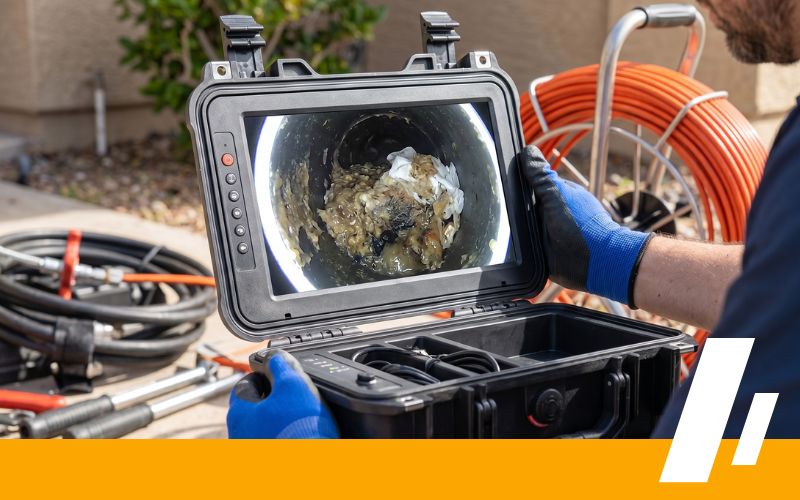
A sewer inspection is a visual examination of the accessible interior of a sewer or drain line using a camera designed to travel through the piping.
Instead of relying only on symptoms such as a slow drain or recurring backup, the camera provides additional information about conditions inside the pipe.
Depending on access, visibility, and the condition of the line, an inspection may help identify:
- Root intrusion
- Grease or other buildup
- Debris and obstructions
- Cracks or damaged pipe
- Separated or offset pipe sections
- Areas where the pipe may be deteriorating
- Standing water or apparent low areas
- Foreign objects
- Conditions that may warrant cleaning or further evaluation
A camera inspection does not automatically mean your sewer needs to be replaced.
In many cases, the inspection is the diagnostic step that helps determine whether the problem may be addressed through cleaning or maintenance, requires targeted repair, or warrants a broader conversation about the condition of the sewer line.
That distinction matters when you are trying to avoid paying for work the line does not actually need.
When Should You Have a Sewer Line Inspected?
Not every slow drain means there is a damaged sewer line. However, certain patterns can justify taking a closer look.
Consider scheduling a sewer inspection if you are experiencing:
Recurring Sewer Backups
A backup that returns after previous cleaning may indicate that something deeper is contributing to the problem.
Multiple Slow Drains
When several fixtures throughout a home begin draining slowly at the same time, the problem may be farther downstream than an individual sink, shower, or toilet.
Frequent Drain Cleaning
If the same sewer or drain line repeatedly needs to be cleared, an inspection may help determine why the obstruction keeps returning.
Suspected Tree Roots
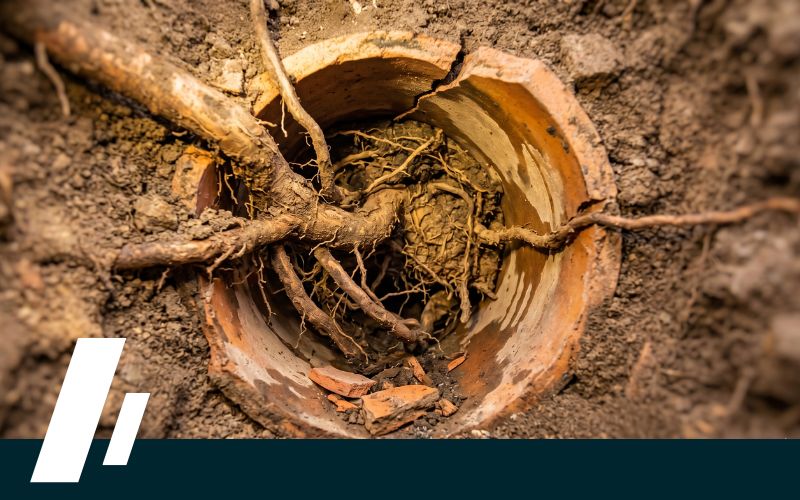
Roots can enter sewer lines through joints, cracks, or damaged areas where conditions allow them to grow.
Unexplained Sewer Odors
Persistent sewer odors can have multiple causes, but they may justify further evaluation when accompanied by drainage problems.
Gurgling or Unusual Drain Behavior
Air movement and changing water levels in fixtures can sometimes accompany restrictions farther down the drainage system.
Concerns About an Existing Sewer Line
Property owners may also choose an inspection when they simply need better information about the condition of a sewer line before making decisions about maintenance or repairs.
The important part is not treating every symptom as proof of a major sewer failure. An inspection is intended to gather evidence.
Why Inspect a Sewer Before Deciding on Repair or Replacement?
Because similar sewer symptoms can have very different causes.
A backed-up line could be dealing with roots, accumulated debris, grease, a foreign object, damaged piping, or another restriction. Without adequate diagnosis, it can be difficult to know whether the appropriate next step is cleaning, maintenance, localized repair, trenchless work, excavation, or something else entirely.
A sewer inspection can help answer questions such as:
- Is there an obvious obstruction?
- Does the pipe appear damaged?
- Are roots visible?
- Is the problem concentrated in one section?
- Is the line clear enough to inspect properly?
- Would cleaning make sense before another inspection?
- Is there evidence that further repair evaluation is appropriate?
That is why sewer inspection should be treated as diagnosis rather than a sales pitch for replacement.
When the condition of the line can be seen, the conversation can shift from guessing about the problem to discussing realistic options.
What Happens During a Sewer Inspection?
The exact process depends on the property, available access, and the condition of the sewer line, but a typical inspection follows several basic steps.
1. Discuss the Sewer Problem
We start with the symptoms.
Recurring backups, slow drainage, previous cleaning, suspected roots, or known sewer problems can all provide useful context before the camera enters the line.
2. Locate a Suitable Access Point
The camera must enter the sewer through an accessible opening appropriate for the inspection.
Existing cleanouts and other access conditions can affect how much of the line can be examined.
3. Run the Camera Through the Line
The camera is advanced through accessible portions of the sewer while the interior of the pipe is observed.
4. Evaluate Visible Conditions
We look for conditions that may help explain the problem, including restrictions, roots, buildup, visible damage, unusual transitions, or other noteworthy conditions.
5. Determine Whether Visibility Is Adequate
Sometimes a sewer line contains enough debris, standing water, roots, or other material that the camera cannot provide a useful view of every section.
When that happens, cleaning may be necessary before a more complete inspection can be performed.
6. Discuss Reasonable Next Steps
Once the available information has been gathered, the next step depends on what was found.
That could mean no immediate repair, routine maintenance, sewer cleaning, additional diagnosis, targeted repair, trenchless repair evaluation, excavation, or replacement depending on the circumstances.
The inspection itself should help narrow those possibilities.
Understanding the Limits of a Sewer Camera Inspection
A sewer camera is an extremely useful diagnostic tool, but it is important to understand what it can—and cannot—show.
A Sewer Camera Can Help Show:
- Visible root intrusion
- Obstructions
- Accumulated material
- Cracks or breaks visible from inside the pipe
- Pipe separation or offsets
- Changes in pipe material
- Certain signs of deterioration
- Standing water within visible portions of the line
- Foreign objects or debris
A Camera Inspection May Not Establish:
- The exact condition of areas the camera cannot reach
- What is happening behind the pipe wall
- Every structural issue affecting the surrounding soil
- The precise depth or surface location of a problem without additional locating work
- Conditions hidden by heavy debris, roots, or murky water
- Responsibility for every portion of the sewer system
An inspection is therefore one part of diagnosing a sewer problem.
In some situations, sewer locating, drain cleaning, hydro jetting, or additional evaluation may be recommended to gather the information needed before repair decisions are made.
Should You Inspect a Sewer When Evaluating a Property?
A building can look perfectly normal above ground while the sewer line beneath the property has problems that are not visible during an ordinary walkthrough.
For that reason, some buyers and property owners choose to have the sewer evaluated separately when they want additional information about the line.
A sewer inspection may be particularly useful when:
- The history of the sewer line is unknown
- Previous repairs have been mentioned
- Drainage problems have occurred
- Mature landscaping exists near the sewer route
- The property owner is planning renovations
- There are questions about pipe condition
- You want more information before deciding whether sewer work is necessary
A sewer camera inspection should not be treated as a guarantee that no future sewer problem will occur. It provides information about the visible and accessible condition of the line at the time of inspection.
That information can still be valuable when making a significant property decision.

Why Does My Sewer Keep Backing Up?

Clearing a blockage can restore flow without necessarily explaining why the blockage occurred.
That difference becomes important when the same sewer keeps backing up.
Recurring problems may be associated with conditions such as:
- Root intrusion
- Heavy buildup
- Pipe damage
- Displaced or separated sections
- Objects entering the line
- Conditions that allow material to repeatedly collect
- A blockage that was not completely removed
When appropriate, combining drain cleaning and line maintenance with a camera inspection can provide a clearer picture of the problem.
If significant buildup or roots prevent the camera from seeing the pipe properly, cleaning may need to happen first.
For heavier deposits or certain recurring restrictions, hydro jetting may also be considered when appropriate for the condition of the line.
The goal is not simply to get water moving today. When problems repeatedly return, the goal is to understand why.
From Sewer Inspection to the Right Repair Strategy
Finding a defect during an inspection does not automatically mean the entire sewer needs to be excavated and replaced.
The appropriate response depends on factors such as what was found, where it is located, pipe condition, accessibility, and how extensive the problem appears to be.
Possible next steps can include:
Drain or Sewer Cleaning
If the primary issue is an obstruction or buildup rather than structural failure, cleaning may be the logical next step.
Hydro Jetting
High-pressure water cleaning may be appropriate for certain types of buildup and line conditions.
Continued Monitoring or Maintenance
Not every visible condition requires immediate major construction. The significance of a finding depends on the circumstances.
Targeted Sewer Repair
A localized problem may justify evaluating whether a specific portion of the line can be repaired.
Trenchless Sewer Repair
Depending on the pipe and site conditions, some sewer problems may qualify for trenchless repair methods that reduce the amount of open excavation required.
Sewer Excavation
Traditional excavation may still be necessary when access, pipe condition, location, or other factors make it the appropriate repair method.
Sewer Line Replacement
When deterioration or damage is sufficiently extensive, replacement may make more sense than repeatedly repairing individual sections.
The inspection helps provide the information needed to have that conversation intelligently.
Sewer Line Problems in Newcastle Require Property-Specific Diagnosis
Newcastle is part of the Eastside community between Bellevue and Renton, and sewer conditions can vary significantly from one property to another.
Homes and businesses may differ in age, sewer layout, landscaping, slope, access, pipe material, and previous modifications. Those differences matter when diagnosing a sewer problem.
Newcastle's sanitary sewer service is provided through Coal Creek Utility District, while individual sewer-line responsibility can depend on where a problem is located and which portion of the infrastructure is involved.
For property owners, this makes accurate diagnosis particularly important before moving from inspection into outside sewer repair.
A camera inspection can help determine what is occurring inside accessible portions of the sewer line. If repair is eventually recommended, additional questions may need to be addressed regarding location, access, utility coordination, and the limits of private versus utility responsibility.
That is another reason Dirt Cheap Sewer favors an evidence-first approach.
What Affects Sewer Inspection Cost?
There is no responsible way to quote every Newcastle sewer inspection from a generic webpage because access and diagnostic needs can vary.
Factors that may affect the scope and cost include:
- Available sewer access
- Length of accessible piping
- Whether the line is flowing
- The amount of buildup or debris
- Whether cleaning is required first
- Difficulty advancing the camera
- Whether additional locating or diagnostic work is needed
- The overall purpose and scope of the inspection
A straightforward camera inspection and a sewer line requiring cleaning, locating, and additional diagnosis are not necessarily the same job.
The better question is not simply, “What does a sewer camera cost?”
It is:
“What information do we need to understand this sewer problem well enough to make the right decision?”
That keeps the focus on solving the actual problem rather than buying a diagnostic service that may or may not answer the question you have.
Diagnose First. Then Decide What the Sewer Actually Needs.
Sewer problems can become expensive quickly, especially when repair recommendations get ahead of diagnosis.
Dirt Cheap Sewer's approach is built around understanding the condition of the line before determining what type of work makes sense.
For Newcastle property owners, that means looking at the sewer problem in context:
- What symptoms are occurring?
- How often are they happening?
- Has the line already been cleaned?
- What does the camera show?
- Is visibility good enough to draw a useful conclusion?
- Does the issue appear localized or more extensive?
- Is additional cleaning or locating required?
- What repair options actually fit the observed conditions?
A camera is valuable because it gives us evidence.
The repair strategy should follow that evidence—not the other way around.
Newcastle Sewer Inspection FAQs
A sewer camera inspection can help reveal visible obstructions, roots, buildup, cracks, damaged or separated sections, standing water, foreign objects, and other conditions inside accessible portions of the line. What can be identified depends on visibility and the condition of the sewer.
Not always. If the line provides adequate access and visibility, a camera may be able to inspect it without cleaning first. If roots, debris, heavy buildup, or standing wastewater prevent a useful view, cleaning may be necessary before the line can be evaluated more completely.
A camera can help identify where a visible problem appears within the inspected line, but determining its exact location beneath the property may require additional sewer locating equipment or diagnostic work.
Not automatically. Root intrusion can vary considerably in severity. The appropriate response depends on the amount of root growth, the condition of the pipe, how the roots entered the line, whether the problem keeps returning, and other site-specific factors.
Cleaning restores flow, but it does not always eliminate the condition causing repeated blockages. Roots, pipe damage, buildup, offsets, foreign objects, or other problems may contribute to recurring clogs. A sewer inspection can help investigate the underlying cause.
No. Inspection is a diagnostic service. The camera may reveal a condition that requires repair, something that can be addressed through cleaning or maintenance, or no obvious major defect in the accessible portion of the line.
Responsibility can depend on where the affected infrastructure is located and whether it is privately or utility owned. Coal Creek Utility District provides sewer service in Newcastle and advises customers considering outside sewer repair to contact the district before proceeding with work that could involve district infrastructure. Property-specific responsibility should be verified before repair work begins.
Find Out What Is Happening Inside Your Sewer Line
Recurring sewer problems are frustrating enough without guessing about what is causing them.
A sewer inspection in Newcastle, WA can provide valuable information about the condition of accessible portions of your line and help determine whether the next step should involve cleaning, maintenance, additional diagnosis, repair, or replacement.
Dirt Cheap Sewer can help you investigate the problem and make the next decision based on evidence instead of assumptions.