

Plumbing problems do not always happen beneath a sink, behind a wall, or inside the house. Some of the most disruptive plumbing issues develop underground, beneath landscaping, along driveways, or between the building and the public utility connection.
Dirt Cheap Sewer provides outdoor plumbing services in Federal Way for sewer lines, underground water lines, exterior drains, yard drainage systems, and other buried piping connected to residential and commercial properties.
If you are dealing with unexplained wet areas in the yard, recurring sewer trouble, low water pressure, drainage problems, or suspected damage to an underground pipe, the first step is determining where the problem is and what type of system is involved.
What Does an Outdoor Plumber Do?
An outdoor plumber focuses on plumbing systems located outside the main structure of a property.
Depending on the property, that can include underground sewer piping, water service lines, stormwater drainage, foundation drainage, exterior cleanouts, buried connections, and other piping running through the yard or surrounding property.
Unlike an interior plumbing problem, exterior plumbing frequently requires additional investigation because much of the system cannot be seen directly.
A proper evaluation may involve locating underground pipes, inspecting sewer lines with a camera, examining drainage patterns, identifying the source of leaking water, or determining whether excavation will be necessary.
The goal should be to identify the actual cause before tearing into the yard.
Common Outdoor Plumbing Problems in Federal Way
Outdoor plumbing problems can appear in several different ways.
Wet or Soggy Areas in the Yard
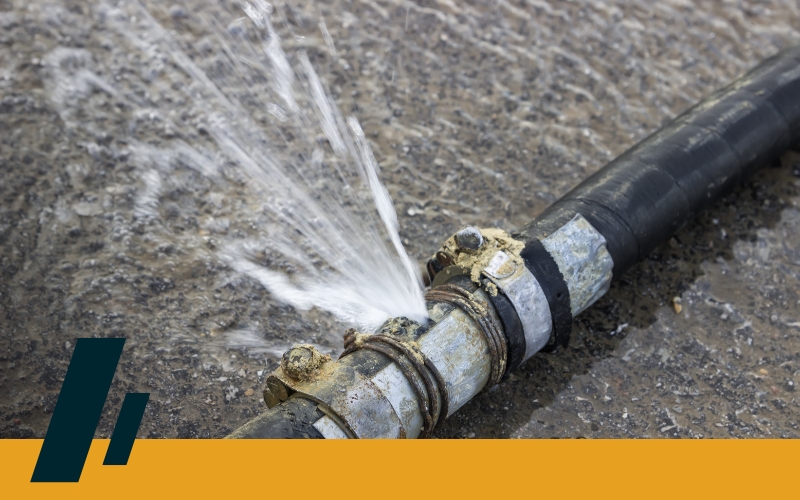
A patch of ground that remains unusually wet may indicate a leaking underground water line, damaged drainage pipe, failing sewer line, or an unrelated groundwater issue.
Because several problems can create similar symptoms, the location and source of the water should be evaluated before assuming a particular pipe has failed.
Recurring Sewer Backups
Repeated sewer backups can indicate more than an ordinary drain clog.
Tree roots, pipe deterioration, offsets, bellies, collapsed sections, or other defects in the buried sewer lateral may allow the problem to return even after the immediate blockage is cleared.
A sewer inspection can help determine whether the issue originates in the underground line.
Low Water Pressure
A damaged underground water service line can sometimes contribute to declining water pressure or unusual water usage.
Other plumbing conditions can cause similar symptoms, so the water line needs to be evaluated before recommending excavation or replacement.
Standing Water Near the Foundation
Water collecting near the house may indicate an exterior drainage problem rather than a conventional plumbing leak.
Poor grading, downspout discharge, overwhelmed drainage systems, damaged footing drains, or inadequate yard drainage can all contribute.
For those problems, an evaluation of the property's outdoor and foundation drainage system may be more appropriate.
Unexplained Water in a Driveway or Landscape Area
Water appearing unexpectedly around landscaping, pavement, retaining walls, or utility routes should be investigated.
Finding the source before excavation can reduce unnecessary disturbance to the property.
Outdoor Plumbing Systems We Evaluate
Exterior plumbing can involve several separate systems, and identifying the correct one is important before repairs begin.
Sewer Lines
Your sewer lateral carries wastewater from the building toward the municipal sewer system.
Problems can include:
- Root intrusion
- Cracks
- Separated joints
- Pipe offsets
- Corrosion
- Bellies
- Collapsed sections
- Deteriorated older piping
Depending on the condition and location of the damage, the solution may involve cleaning, localized repair, trenchless work, or conventional sewer line repair and replacement.
Underground Water Lines
The water service line supplies the property with potable water.
Leaks or failures in this line can sometimes result in wet soil, reduced pressure, higher water consumption, or water surfacing unexpectedly outside.
Dirt Cheap Sewer can evaluate exterior water lines and water mains and determine whether repair or replacement is appropriate.
Outdoor Drainage Systems
French drains, catch basins, yard drains, foundation drainage, and related systems help move unwanted water away from structures and usable areas of the property.
When those systems clog, break, or are poorly configured, water may begin collecting where it should not.
Exterior Cleanouts and Sewer Access
Cleanouts provide access to buried drain and sewer piping.
A damaged, buried, inaccessible, or poorly located cleanout can make future maintenance and inspection more difficult.
Buried Drain Lines
Some properties have exterior drain piping serving downspouts, landscaping, retaining walls, patios, or other drainage features.
These systems may become clogged with sediment and roots or fail because of movement and deterioration.
How We Diagnose Outdoor Plumbing Problems
Digging should not automatically be the first step.
Whenever practical, the problem should first be narrowed down using the least disruptive diagnostic methods appropriate for the situation.
1. Review the Symptoms
The evaluation starts with what is happening on the property.
That may include:
- Where water is appearing
- Which drains are backing up
- Whether the problem is constant or intermittent
- Whether symptoms occur during rainfall
- Whether water pressure has changed
- Whether sewer problems have happened repeatedly
- Whether previous repairs have been made
These details help determine which systems need closer examination.
2. Identify the Likely System
A wet yard does not automatically mean a water-main leak, just as a slow drain does not automatically mean the sewer needs replacement.
We work to determine whether the symptoms point toward the sewer, water service, drainage system, or another exterior condition.
3. Inspect the Accessible Components
Depending on the problem, that may involve checking cleanouts, drains, visible piping, discharge locations, or other accessible portions of the system.
4. Use Appropriate Diagnostic Methods
For underground sewer problems, a sewer camera inspection may reveal roots, cracks, offsets, deterioration, or other defects inside the pipe.
Drainage and water-line problems require different diagnostic approaches based on the symptoms and site conditions.
5. Determine Whether Excavation Is Necessary
Once the location and likely cause have been identified, we can determine whether the problem can be addressed without digging or whether access to the buried pipe is required.
Outdoor Plumbing Repair Options
There is no single repair method that works for every underground plumbing problem.
The right approach depends on the pipe, the type of failure, the location, surrounding utilities, access conditions, and the amount of damage.
Cleaning and Maintenance
Some exterior drain and sewer problems are caused primarily by buildup or obstruction rather than structural pipe failure.
Drain cleaning or hydro jetting may restore flow when the existing pipe is otherwise suitable for continued service.
Cleaning does not repair a broken or collapsed pipe, which is why diagnosis matters when problems repeatedly return.
Localized Pipe Repair
When damage is limited to a specific accessible area, excavation may be used to expose and repair that section.
This can make sense when the rest of the system remains in serviceable condition.
Conventional Excavation
Some underground plumbing repairs require open excavation.
A trench provides direct access to damaged piping and may be necessary when pipes are collapsed, severely misaligned, inaccessible to trenchless equipment, or affected by other site conditions.
Dirt Cheap Sewer provides sewer excavation when conventional access is the practical repair method.
Trenchless Sewer Repair
Certain sewer problems may qualify for trenchless repair or replacement techniques.
Because trenchless methods do not work for every pipe or property, the sewer should first be inspected and evaluated.
When site and pipe conditions allow, trenchless sewer repair may reduce the amount of open excavation required.
Pipe Replacement
Replacement may be considered when a line is extensively deteriorated, repeatedly failing, improperly configured, or no longer a practical candidate for localized repair.
The condition of the entire accessible system should be considered rather than making that decision from one symptom alone.
Repairing an Outdoor Pipe vs. Replacing It
Property owners understandably want to know whether a damaged underground pipe can simply be repaired.
Sometimes it can.
A localized repair may be reasonable when the defect is confined to a small area and the remaining pipe is still functional.
Replacement becomes more likely when there are problems throughout a larger section of the line.
Factors can include:
- Multiple structural defects
- Extensive corrosion or deterioration
- Repeated root intrusion
- Collapsed piping
- Significant alignment problems
- Previous repairs along the same line
- Pipe material and overall condition
- Accessibility
- The expected longevity of another localized repair
A camera inspection or other appropriate evaluation can provide much better information than choosing repair or replacement based solely on the age of the property.
Outdoor Plumbing Challenges in Federal Way
Federal Way properties can present a wide range of exterior plumbing conditions.
The city includes established neighborhoods, newer developments, commercial properties, heavily landscaped lots, sloped areas, and properties surrounded by mature vegetation.
Those conditions can affect buried plumbing differently.
Mature Trees and Landscaping
Tree roots naturally seek moisture and can enter sewer pipes through existing cracks or openings at joints.
Root growth does not necessarily mean the entire sewer requires replacement, but recurring intrusion can justify a closer inspection of the pipe itself.
Sloped Properties
Elevation changes can influence drainage, excavation access, and the route of underground utilities.
Water moving across a sloped property can also make the apparent source of a drainage problem different from the actual source.
Older Underground Infrastructure
Properties built during different periods may contain different pipe materials and installation methods.
Age alone does not prove that a pipe has failed, but older piping should be evaluated based on its actual condition when recurring symptoms are present.
Heavy Seasonal Rain
Western Washington rainfall can expose weaknesses in yard and foundation drainage systems.
A problem that seems minor during dry weather may become much more noticeable once surrounding soil becomes saturated.
That is one reason determining whether water originates from a plumbing leak or a drainage problem is so important.
Outdoor Plumbing vs. Outdoor Drainage
These services often overlap, but they are not exactly the same.
An outdoor plumbing problem typically involves a buried pipe carrying potable water or wastewater.
An outdoor drainage problem generally involves controlling rainwater, groundwater, or surface runoff around the property.
For example, recurring water next to a foundation might be caused by:
- Poor grading
- A clogged yard drain
- Downspout discharge
- A damaged foundation drain
- Groundwater
- A leaking water service line
Those problems can look similar from the surface.
The evaluation should identify the source before a repair strategy is selected.
When Should You Call an Outdoor Plumber?
Some outdoor problems are obvious. Others begin with subtle warning signs.
Consider having the property evaluated when you notice:
- Persistent wet areas without an obvious explanation
- Water appearing when it has not recently rained
- Recurring sewer backups
- Sewage odors outside
- Slow drainage affecting multiple fixtures
- Exterior drains that repeatedly overflow
- Unexpectedly low water pressure
- Suspected underground pipe leakage
- Sinkholes or settling around a buried line
- Repeated root-related sewer blockages
- Water collecting around foundations or retaining walls
Not every symptom means major underground plumbing work is necessary.
The purpose of the evaluation is to determine what is actually happening before deciding what should be repaired.
What Does Outdoor Plumbing Work Cost in Federal Way?
Outdoor plumbing costs vary considerably because the visible symptom rarely tells the whole story.
Important cost factors can include:
- The type of pipe involved
- Depth of the line
- Length of damaged piping
- Pipe material
- Location of the failure
- Excavation requirements
- Access for equipment
- Nearby utilities
- Landscaping or hardscape
- Whether trenchless methods are practical
- Disposal and restoration requirements
- Permit or inspection requirements associated with the specific project
For that reason, quoting a meaningful repair cost before the problem has been located can be misleading.
A proper diagnosis makes it possible to discuss the repair options that actually apply to the property.
Do Outdoor Plumbing Repairs Require Permits?
Permit and inspection requirements depend on the scope of the project and the part of the plumbing or utility system being modified.
Some repairs may involve private piping entirely on the property, while larger replacements or work near municipal connections can involve additional requirements.
Those requirements should be verified for the specific project before work begins rather than assuming every exterior plumbing repair follows the same process.
Why Choose Dirt Cheap Sewer for Outdoor Plumbing?
Underground plumbing requires a different approach than many ordinary plumbing calls.
The problem is often invisible, and the most expensive mistake can be beginning a major repair before determining what has actually failed.
Dirt Cheap Sewer approaches exterior plumbing from a diagnostic standpoint.
That means identifying the system involved, locating the likely source of the problem, evaluating the condition of the pipe or drainage system, and then discussing repair methods that fit what was found.
Depending on the situation, that may mean cleaning a line instead of replacing it, repairing a localized section, considering trenchless options, or using conventional excavation when direct access is necessary.
The objective is not to force every property into the same solution.
It is to understand the problem first.
Frequently Asked Questions About Outdoor Plumbing in Federal Way
Outdoor plumbing generally includes sewer laterals, underground water lines, exterior drains, buried plumbing connections, cleanouts, and certain other piping located outside the building.
Drainage systems may also overlap with outdoor plumbing depending on how the property is configured.
Possible signs include unexplained wet areas, water surfacing in the yard, reduced water pressure, or unusual water usage.
However, drainage and groundwater problems can create similar symptoms, so the source should be confirmed before the water line is excavated.
Roots commonly enter sewer lines through existing openings such as cracks or separated joints and can worsen the problem over time.
A sewer camera inspection can help show whether roots are present and whether the pipe also has structural damage.
Not always.
Some problems can be addressed through cleaning, maintenance, or trenchless techniques. Others require excavation.
The correct method depends on the type of pipe, its condition, the location of the damage, and site accessibility.
Some exterior drainage problems fall within the scope of outdoor plumbing and drainage work.
The important first step is determining whether the water is coming from rainfall, groundwater, a drainage system, a sewer line, or a leaking water pipe.
When the sewer is accessible for inspection, seeing its condition can provide important information about the location and extent of damage.
That information can help determine whether cleaning, repair, trenchless work, excavation, or replacement is appropriate.
Avoid assuming the source based only on where the water appears.
Look for obvious irrigation or surface-water causes, avoid disturbing areas where underground utilities may be present, and have the problem evaluated when a buried plumbing or drainage failure is suspected.
Need an Outdoor Plumber in Federal Way?
When the plumbing problem is underground, finding the source is just as important as repairing it.
Dirt Cheap Sewer evaluates exterior sewer lines, water lines, drainage systems, and other buried plumbing around Federal Way properties to determine what is happening and what repair options make sense.
Whether the solution involves maintenance, localized repair, trenchless work, drainage improvements, or excavation, the process should begin with a clear understanding of the problem.