

Water pooling around your home, soggy sections of yard, recurring puddles, or moisture near the foundation can point to a drainage problem—but the right solution depends on where the water is coming from and how it is moving across the property.
Dirt Cheap Sewer provides outdoor and foundation drainage services in Mukilteo, Washington, helping homeowners and property owners identify drainage problems and determine practical ways to move unwanted water away from structures, landscaping, and other vulnerable areas.
A drainage problem should be diagnosed before a system is installed or replaced. Standing water can result from grading, saturated soil, roof runoff, damaged drainage components, groundwater conditions, or even a sewer or water-line problem that only looks like poor drainage from the surface.
The goal is not simply to make the water disappear temporarily. It is to understand why it is collecting in the first place and develop a solution appropriate for the property.
Outdoor Drainage Problems in Mukilteo
Mukilteo's combination of established neighborhoods, sloped properties, mature landscaping, and wet Pacific Northwest weather can make effective drainage particularly important.
Some homes sit on hillsides or properties where water naturally moves toward lower portions of the lot. Others may have landscaping, retaining walls, driveways, patios, or previous construction that has changed the way runoff moves across the property.
During extended periods of rain, soil can become saturated and water may begin accumulating in places where it normally would not be noticeable.
Common drainage concerns include:
- Standing water in the yard
- Water collecting beside a foundation
- Persistently muddy or saturated soil
- Runoff flowing toward the house
- Water accumulating around retaining walls
- Poor drainage around patios and walkways
- Downspout discharge creating erosion or puddling
- Water collecting in low areas of a property
- Drainage systems that no longer seem to work properly
- Recurring moisture concerns around basements or crawl spaces
Seeing water on the surface does not always reveal the source of the problem.
That is why Dirt Cheap Sewer focuses on evaluating the drainage conditions before recommending a particular type of system or repair.

Start With the Water Problem, Not an Assumed Solution
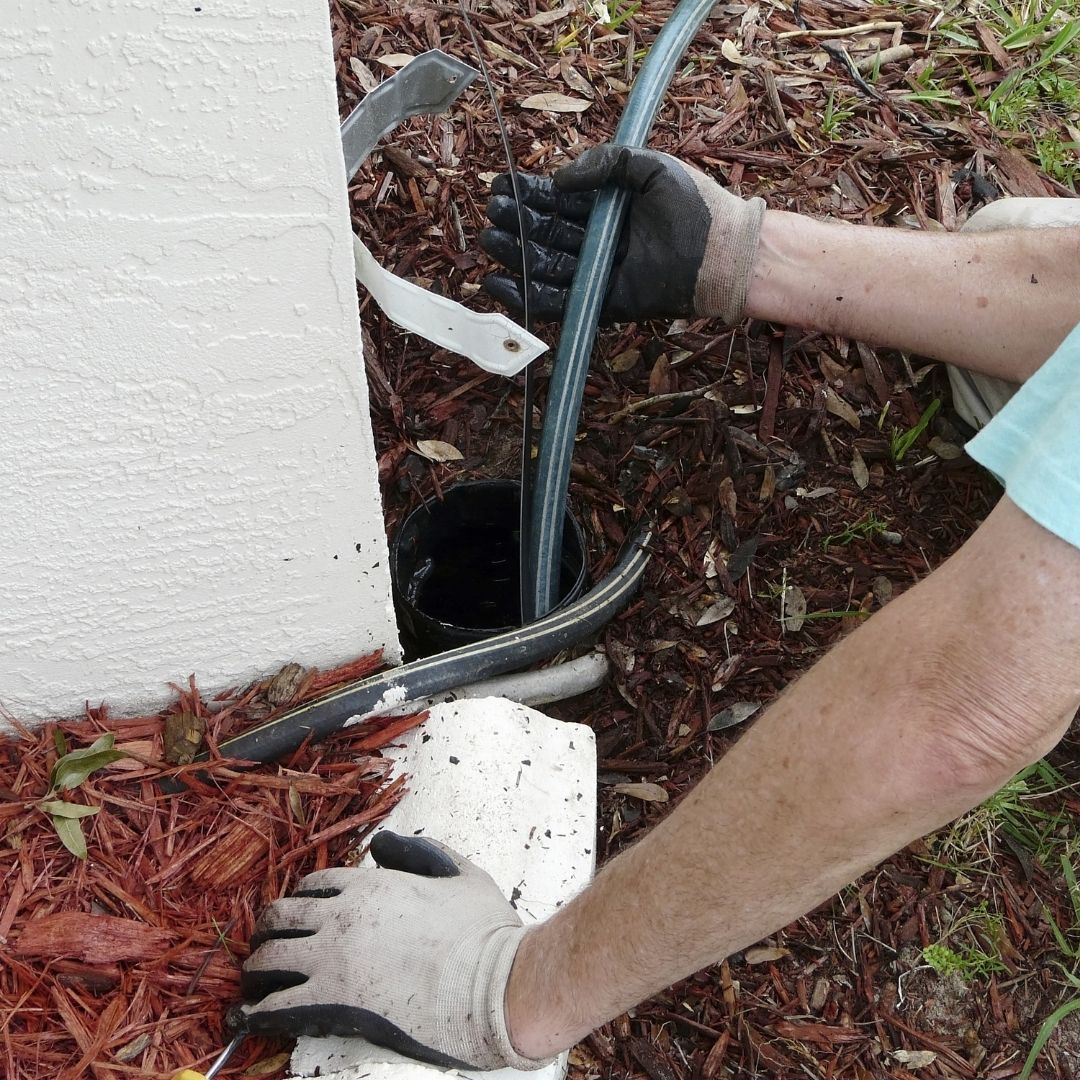
It is easy to see standing water and immediately assume that a French drain, catch basin, or other drainage installation is necessary.
Sometimes it is.
Sometimes it is not.
Several different problems can produce similar symptoms.
For example, water beside a foundation could result from surface runoff moving toward the building. It could also be associated with roof drainage, an underground drainage line, saturated soil, or another plumbing or utility issue.
A wet section of yard might result from inadequate grading, but unexplained persistent saturation could also justify checking for a damaged water line.
Before excavation begins, the important questions include:
- Where is the water coming from?
- Where does water naturally travel across the property?
- Does the problem occur only during heavy rain?
- Is there an existing drainage system?
- Where does that system discharge?
- Are pipes, catch basins, or other components clogged or damaged?
- Has landscaping or construction changed the property's drainage patterns?
- Could the apparent drainage problem actually be related to another underground line?
Starting with diagnosis helps avoid spending money on a drainage feature that does not address the real problem.
Outdoor Drainage Services in Mukilteo
Outdoor drainage systems are designed to control how water moves across a property.
Depending on the conditions found during an evaluation, drainage work may involve repairing an existing system, improving the way runoff is collected, replacing failed drainage components, or installing a new drainage solution.
Potential outdoor drainage work may include:
Yard Drainage
Low areas in a yard can collect water after storms or remain saturated for extended periods.
A properly planned drainage system can help intercept water and direct it toward an appropriate discharge point.
French Drains
French drains typically use a perforated drainage pipe surrounded by drainage material to collect water moving through saturated soil.
They can be useful in certain yard and foundation drainage situations, but placement, slope, soil conditions, and discharge location all matter.
Installing a French drain simply because a property is wet does not guarantee the underlying drainage problem will be corrected.
Catch Basins
Catch basins collect surface runoff and direct it into an underground drainage system.
They may be appropriate in low spots, landscaped areas, around paved surfaces, or in other places where surface water consistently accumulates.
Drainage Pipe Installation and Repair
Existing underground drainage pipes can become damaged, separated, obstructed, or ineffective.
Repairing or replacing the affected portion of a drainage system may restore proper flow without necessarily rebuilding the entire system.
Downspout Drainage
Roof runoff can place a surprising amount of water beside a home.
When downspouts discharge too close to a foundation or connect to damaged underground drainage lines, water can accumulate around the structure.
Improving downspout drainage may help direct roof runoff farther from vulnerable areas.
Surface Water Management
Some properties experience runoff that travels across landscaping, driveways, patios, or other surfaces before reaching the lowest portion of the site.
Depending on the layout of the property, drainage improvements may help intercept and redirect that water before it reaches the house or another problem area.
Foundation Drainage Services in Mukilteo
Water that repeatedly accumulates beside a foundation deserves attention.
Over time, persistent moisture around a home can contribute to saturated soil, crawl-space moisture, basement concerns, erosion, and other property problems.
Foundation drainage is intended to reduce the amount of unwanted water collecting around the structure.
The appropriate solution depends heavily on the source of that water.
Possible approaches may include:
- Improving surface drainage
- Redirecting runoff
- Repairing existing foundation drainage
- Installing or improving drainage piping
- Managing downspout discharge
- Installing French drain systems where appropriate
- Addressing low areas beside the building
- Correcting failed underground drainage components
Not every moisture problem requires extensive excavation.
Likewise, severe or recurring water problems should not automatically be treated with the least invasive option if conditions indicate a more substantial drainage correction is needed.
The right approach begins with understanding the property.
Signs Your Mukilteo Property May Have a Drainage Problem
Drainage problems are often obvious after heavy rain, but other warning signs can develop gradually.
You may want to have the drainage around your property evaluated if you notice:
Water Pooling Near the Foundation
Standing water directly beside the building may indicate that runoff is not being carried away effectively.
Recurring Puddles
A puddle after an unusually heavy storm is not necessarily unusual.
Water that appears in the same location after ordinary rainfall may point to an ongoing drainage problem.
Soggy Ground That Never Seems to Dry
Persistently saturated soil may indicate inadequate drainage, groundwater movement, or another underground issue.
Soil Erosion
Visible channels or washed-out landscaping can show where water is moving too quickly across the property.
Moisture Under the Home
Crawl-space or basement moisture can have several causes, but exterior drainage is one area that may need to be evaluated.
Overflowing or Backed-Up Drainage Components
Catch basins or exterior drains that remain full of water may be clogged, damaged, improperly sloped, or connected to another problem farther downstream.
Water Flowing Toward the House
Drainage Problems Can Sometimes Be Something Else
One of the most important parts of evaluating an outdoor water problem is determining whether it is actually a drainage issue.
A constantly wet area that appears even during dry weather may deserve additional investigation.
Possible causes can include:
- A leaking water service line
- A damaged water main connection
- A sewer line problem
- A broken irrigation line
- Groundwater
- A damaged stormwater or drainage pipe
- Ordinary surface drainage problems
Treating a leaking underground water line as a yard drainage problem will not fix the leak.
Similarly, excavating a sewer line will not solve a grading problem.
Dirt Cheap Sewer works with underground sewer, water, and drainage systems, allowing the diagnostic process to consider several potential causes instead of assuming every wet yard needs the same solution.
How We Approach Outdoor Drainage Problems
A good drainage plan should account for the entire path water takes across a property.
1. Identify the Problem Area
The first step is understanding where water is appearing and under what conditions.
That may involve areas beside the home, low spots in the yard, retaining walls, paved areas, or existing drainage structures.
2. Evaluate Where the Water Is Coming From
Potential sources can include rainfall, roof runoff, surface flow from higher portions of the property, saturated soil, or an underground piping problem.
3. Review Existing Drainage
If the property already has drainage pipes, catch basins, or another system, those components may need to be evaluated before a completely new drainage system is considered.
4. Determine Where Water Can Be Directed
Collecting water is only part of a drainage system.
The water also needs somewhere appropriate to go.
The layout, elevation, existing infrastructure, and applicable local requirements may affect the available options.
5. Recommend the Appropriate Scope of Work
Depending on the findings, the solution might involve maintenance, repair, replacement of damaged components, drainage improvements, or installation of a new system.
The important part is matching the work to the problem rather than beginning with a predetermined solution.
Repairing an Existing Drainage System vs. Installing a New One
Not every poorly draining yard needs a completely new system.
If an existing drain previously worked and has recently stopped performing properly, there may be a localized problem.
Examples could include:
- A clogged drainage pipe
- Root intrusion
- A crushed or damaged section
- A disconnected pipe
- A blocked outlet
- Sediment inside a catch basin
- Changes to surrounding landscaping
In those situations, repairing or maintaining the existing drainage system may make more sense than replacing everything.
A new or expanded drainage system may be worth considering when:
- The property has never drained properly
- Existing drainage is inadequate for the problem
- Multiple components are deteriorated
- Water is consistently moving toward the foundation
- Major landscaping or construction has changed site drainage
- The original system does not adequately collect or redirect runoff
The condition of the property should determine the solution.
Drainage for Sloped Mukilteo Properties
Mukilteo has many properties where elevation changes affect the way water travels.
On sloped lots, water naturally follows gravity toward lower areas.
That sounds simple, but homes, driveways, retaining walls, fences, patios, and landscaping can interrupt the natural path of runoff.
Water may then become concentrated in one location.
Effective drainage on a sloped property may require looking beyond the immediate puddle and considering how water enters and travels through the site.
Depending on the situation, the solution may involve intercepting runoff before it reaches the problem area instead of trying to collect it after it has already reached the bottom of the slope.
Protecting Your Foundation From Excess Water
Exterior drainage is one part of protecting a home's foundation and surrounding soil from excessive moisture.
The objective is usually to keep runoff moving away from the structure whenever practical.
That can involve several parts of the property working together:
- Roof drainage
- Downspouts
- Surface grading
- Catch basins
- Underground drainage pipes
- French drains
- Foundation drainage
- Appropriate discharge locations
If one part of the system fails, water may begin accumulating somewhere else.
For that reason, foundation drainage should generally be viewed as a system, not simply one pipe buried beside the home.
Residential and Commercial Outdoor Drainage
Drainage problems are not limited to residential yards.
Commercial properties may also experience:
- Standing water in landscaped areas
- Drainage problems around parking areas
- Saturated soil beside structures
- Failed underground drainage piping
- Runoff problems around paved areas
- Catch basin issues
- Exterior drainage concerns around additions or remodeled spaces
The scale of the property may change, but the basic principle remains the same: determine how water is entering the area, understand where it needs to go, and develop a drainage plan that addresses the cause.
When Excavation May Be Necessary
Many drainage systems are underground, which means excavation may sometimes be required to repair or install them.
Excavation may be necessary when:
- A buried drainage pipe has collapsed
- Existing piping needs replacement
- A new drainage route must be installed
- Catch basins or drainage structures are being added
- Foundation drainage needs to be accessed
- The source of an underground drainage failure must be exposed
The amount of excavation depends on the location, depth, property layout, and type of work being performed.
Whenever possible, the scope should be based on what has actually been identified rather than excavating large portions of a property unnecessarily.
Why Proper Diagnosis Matters Before Drainage Excavation
Drainage work can involve landscaping, soil removal, trenching, and restoration.
That makes accurate diagnosis particularly important.
Digging first and investigating later can lead to unnecessary disruption.
Whenever practical, the drainage problem should be narrowed down before the most invasive work begins.
That approach can help answer questions such as:
- Does the existing drain simply need maintenance?
- Is one section damaged?
- Is there actually a water-line leak?
- Is runoff entering the area from somewhere else?
- Would improving surface drainage solve the problem?
- Does a larger drainage system need to be installed?
The answer will vary by property.
Why Choose Dirt Cheap Sewer for Drainage Work in Mukilteo?
Outdoor water problems often sit at the intersection of drainage, sewer, and underground plumbing.
That makes proper investigation especially valuable.
Dirt Cheap Sewer's approach is centered on identifying the source of the problem before determining what kind of work is appropriate.
For a homeowner, that means the conversation begins with questions such as:
Where is the water coming from?
Why is it collecting here?
Is an existing system failing?
Is drainage actually the problem?
What is the most practical way to correct it?
A drainage system should solve a defined problem—not simply add more underground piping to the property.
Frequently Asked Questions About Outdoor and Foundation Drainage in Mukilteo
Standing water can result from low areas, poor surface drainage, saturated soil, roof runoff, damaged drainage pipes, blocked outlets, or water moving onto the area from a higher portion of the property.
The cause should be identified before a drainage system is selected.
There is no single drainage system that works for every property.
French drains, catch basins, surface drainage improvements, underground piping, and other approaches solve different types of problems.
The right option depends on where the water originates and where it can safely be directed.
A French drain can be useful in certain situations where water is moving through saturated soil near a foundation.
However, it is not automatically the correct solution for every foundation moisture problem.
Roof runoff, grading, damaged drainage piping, or other issues may need to be addressed instead or in combination with a French drain.
Water can collect beside a foundation because of grading, roof runoff, downspout placement, soil conditions, failed underground drainage, or runoff coming from another part of the property.
An evaluation can help determine the source.
Depending on the condition of the system, existing drainage piping or components may be repairable.
A localized obstruction or damaged section does not necessarily mean the entire system must be replaced.
No.
Persistent wet areas can sometimes result from leaking water lines, irrigation systems, groundwater, or other underground problems.
This is one reason diagnosis matters before installing new drainage.
Poor exterior drainage can contribute to moisture conditions around a foundation, which may be associated with crawl-space or basement concerns.
However, interior moisture can have several possible causes, so the property should be evaluated rather than assuming exterior drainage is the only issue.
Many underground drainage repairs and installations require some excavation.
The amount depends on the type of system, depth, access, and the location of the problem.
Yes.
Roof runoff concentrated beside a home can place significant amounts of water near the foundation.
Properly directing downspout discharge is an important part of exterior water management.
They solve different problems.
A catch basin primarily collects surface water, while a French drain commonly collects water moving through saturated soil.
Some properties may benefit from one, both, or a different drainage strategy entirely.
Schedule an Outdoor Drainage Evaluation in Mukilteo
If your Mukilteo property has standing water, recurring puddles, saturated soil, runoff near the foundation, or an outdoor drainage system that no longer works properly, the next step is determining why the water is there.
Dirt Cheap Sewer provides outdoor and foundation drainage services designed around the actual conditions of the property.
Instead of assuming every wet yard needs the same solution, start by identifying the source of the water, the condition of the existing drainage system, and the most practical way to move water away from the problem area.