

Water collecting around your yard or foundation is more than an inconvenience. Poor drainage can leave portions of a property soggy, create persistent standing water, direct runoff toward structures, and interfere with how exterior spaces can be used.
Dirt Cheap Sewer provides outdoor and foundation drainage services in Redmond to help property owners identify where unwanted water is coming from, understand how it is moving across or beneath the property, and determine an appropriate drainage solution.
The right answer depends on the source of the water, the grade of the property, existing drainage infrastructure, and where that water can be properly directed. Rather than assuming every wet yard needs the same type of drain, the first step is determining what is actually causing the problem.
Have an outdoor drainage problem in Redmond? Contact Dirt Cheap Sewer to discuss an evaluation of your property.
Signs Your Redmond Property May Have a Drainage Problem
Exterior drainage problems do not always begin with dramatic flooding. In many cases, the first clues are recurring areas of excess moisture that never seem to behave like the rest of the property.
You may want to have the drainage around your property evaluated if you notice:
- Standing water that remains after surrounding areas have dried
- Soil that stays unusually wet or muddy
- Water repeatedly collecting near the foundation
- Runoff traveling toward the house instead of away from it
- Water pooling around patios, walkways, or other exterior areas
- Erosion or soil movement along drainage paths
- Downspout discharge creating persistent wet areas
- Existing yard drains that appear slow, clogged, or ineffective
- Water entering below-grade areas
- Suspected problems with footing or foundation drainage
- Drainage problems that repeatedly return after temporary fixes
These symptoms can have different causes. A low spot in the yard, clogged drain, failed drainage pipe, grading problem, groundwater issue, or inadequate discharge path can produce similar surface conditions.
That is why diagnosis should come before choosing a drainage system.
Keeping Water Away From the Foundation

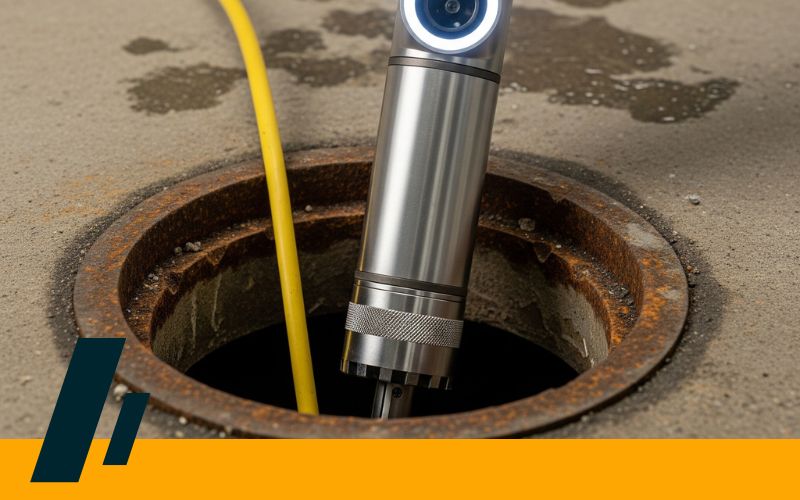
Foundation drainage systems are intended to collect or redirect water before it becomes a persistent problem around the base of a structure.
Depending on how a property was constructed, drainage may involve footing or foundation drains, subsurface piping, grading, downspout connections, or other components designed to control water around the building.
When these systems become clogged, damaged, disconnected, improperly routed, or unable to keep up with changing site conditions, water may begin appearing where it did not before.
A foundation drainage evaluation may involve investigating:
- Where water is accumulating
- Whether the problem appears to originate at the surface or below ground
- Existing foundation or footing drain infrastructure
- Accessible drain outlets and cleanouts
- The condition and routing of exterior drainage piping
- Nearby grade and drainage patterns
- Roof and downspout discharge
- Whether an existing system appears obstructed or damaged
- Whether additional drainage improvements may be appropriate
The objective is not simply to install more pipe. It is to understand how water reaches the problem area and where it can appropriately go instead.
Yard Drainage for Standing and Surface Water
Some drainage problems begin well away from the foundation.
Low areas, concentrated runoff, changes in grade, existing drain failures, and water arriving from other portions of a property can leave lawns and landscaped areas saturated.
Depending on site conditions, an appropriate solution could involve:
- Improving collection of surface water
- Repairing or replacing damaged drainage pipe
- Installing or correcting yard drains
- Creating subsurface drainage paths
- Improving how downspout water is managed
- Addressing drainage around hardscaped areas
- Redirecting water toward an appropriate discharge point
French Drains and Subsurface Drainage
A French drain or similar subsurface drainage system may be useful when water is moving through saturated soil rather than simply collecting on the surface.
A typical system uses a trench, drainage material, and perforated pipe to collect subsurface water and provide a controlled path away from the affected area.
However, a French drain is not automatically the correct solution for every wet yard.
Its effectiveness depends on factors such as:
- Where the water originates
- Soil and site conditions
- Elevation and slope
- Available drainage outlets
- Existing underground infrastructure
- The location of structures and property improvements
Dirt Cheap Sewer can evaluate the conditions before recommending whether this type of system—or another drainage approach—makes sense.
Outdoor Drainage in Redmond Requires the Right Destination for Water
Outdoor drainage is different from ordinary household wastewater plumbing. Surface water, groundwater, roof runoff, and subsurface drainage must be handled as drainage water rather than simply routed into a sanitary sewer.
Redmond maintains a separate stormwater system for managing runoff, and current city requirements prohibit connecting stormwater or drainage water to the wastewater system through side sewers, sump pumps, or similar piping.
The City of Redmond's drainage standards also specifically address footing, foundation, and roof drainage as components of the stormwater system.
For property owners, this makes the discharge point an important part of planning any drainage project. Moving water from one location does not solve the problem if the new location is inappropriate or simply creates another drainage issue.
Dirt Cheap Sewer can evaluate the existing configuration and identify what may be needed for the property.
Important: Permit requirements and acceptable drainage connections can vary according to the work being performed and site conditions. Any project-specific permitting or connection requirements should be confirmed before construction begins.
Why Drainage Diagnosis Matters
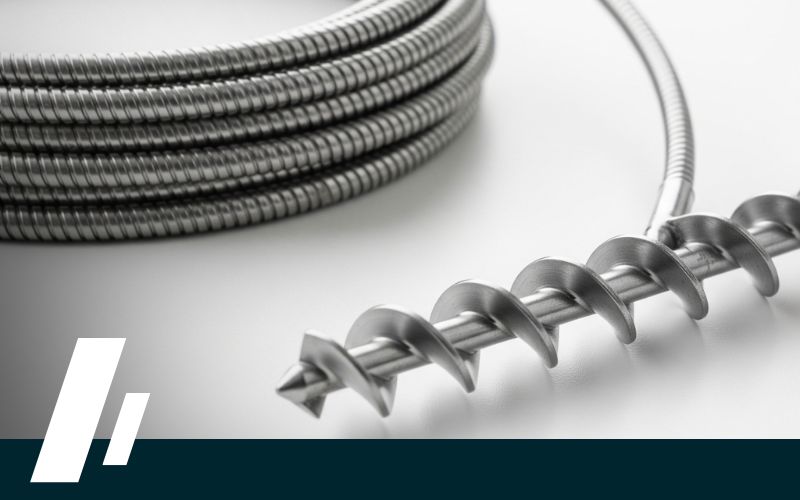
A wet area tells you where the water ended up. It does not necessarily tell you where the water started.
Water can travel across slopes, follow disturbed soil, move through gravel trenches, collect along foundations, or enter damaged drainage piping before appearing somewhere else.
That makes drainage diagnosis an important part of developing a durable solution.
Dirt Cheap Sewer may evaluate factors such as:
Surface Drainage
Where does rainwater travel once it reaches the property? Does the grade naturally carry it away, or does runoff collect in low areas?
Existing Drainage Infrastructure
Are yard drains, catch points, pipes, cleanouts, or other drainage components already present? If so, are they functioning as intended?
Foundation and Footing Drainage
Is there evidence that a drainage system exists around the foundation, and is there reason to suspect blockage, damage, or another problem?
Downspout Discharge
Where does roof runoff go after entering the downspouts? Concentrated roof drainage can create wet areas if discharge is poorly located or an underground line is failing.
Subsurface Water
Does the pattern suggest water is traveling through saturated soil rather than only across the surface?
Available Outlet
Perhaps most importantly: where can collected water legally and effectively be directed?
Once these factors are understood, an appropriate drainage plan can be developed around the actual property rather than a generic solution.
How an Outdoor Drainage Project Begins
1. Evaluate the Problem
The process begins with the symptoms you are experiencing and the areas where water is accumulating.
The objective is to determine whether the problem appears related to surface runoff, subsurface drainage, existing piping, foundation drainage, or a combination of conditions.
2. Determine the Appropriate Approach
Once the likely source and drainage path are understood, Dirt Cheap Sewer can discuss the options that fit the property.
The solution could involve an existing system that needs attention or a new drainage strategy designed around the site.
3. Complete the Agreed Drainage Work
When the project scope has been established, the required drainage work can be completed according to the conditions identified during the evaluation.
Drainage Solutions Depend on the Property
There is no single outdoor drainage system that works for every Redmond property.
Depending on the findings, potential work may include:
- Yard drainage improvements
- Foundation or footing drain work
- French drains or other subsurface drainage
- Repair or replacement of damaged exterior drainage piping
- Drain cleaning where an accessible drainage line is obstructed
- Catch basin or area-drain improvements
- Downspout drainage improvements
- New drainage piping
- Rerouting existing drainage
- Excavation needed to reach damaged or inadequate drainage components
When Existing Drainage May Be the Problem
A property may already have drains or underground piping that once worked adequately.
Problems can develop when:
- Drainage lines become obstructed
- Pipe becomes damaged
- Connections separate
- Drainage outlets stop functioning correctly
- Existing systems no longer manage water effectively
- Previous changes to the property alter how water reaches the system
When an existing drainage system is present, evaluating that system before installing something new can help determine whether the underlying problem is repairable.
When a New Drainage Solution May Be Needed
New drainage infrastructure may make more sense when there is no effective existing system, when the current layout does not address the source of the water, or when repairs alone would not solve the drainage pattern.
The recommended approach should be based on what is happening at the property—not simply on installing the most familiar type of drain.
Good Drainage Is Controlled Drainage
The purpose of outdoor drainage is not merely to make one wet area dry.
Water that is collected and redirected still needs an appropriate place to go.
Poorly planned drainage can potentially:
- Move the wet area somewhere else on the same property
- Concentrate runoff instead of controlling it
- Overwhelm another low area
- Send water toward structures
- Create erosion
- Interfere with neighboring property
- Create an improper connection between drainage and wastewater systems
Redmond's stormwater infrastructure includes both publicly and privately owned components used to collect, convey, and store surface runoff.
A drainage plan therefore needs to consider collection, conveyance, and discharge together.
Recurring Water Problems Are Worth Investigating
One isolated wet spot immediately after heavy rain does not necessarily mean a property needs major drainage work.
A recurring pattern deserves more attention.
Consider having the property evaluated when:
- The same area repeatedly fills with water
- Standing water remains for extended periods
- Drainage near the foundation appears to be getting worse
- A previously functional drain stops carrying water
- Water begins appearing in a new location
- Exterior water problems accompany moisture near below-grade areas
- Temporary drainage fixes repeatedly fail
- You are planning exterior work and want to address an existing drainage issue first
The earlier the source is understood, the easier it is to make decisions based on the actual drainage problem rather than repeatedly treating the symptoms.
Drainage Project Costs Depend on the Scope
Outdoor drainage work can range from addressing an isolated pipe problem to constructing a more extensive drainage system.
Factors that can affect the scope and cost include:
- The source of the drainage problem
- Location of the affected area
- Depth of existing drainage lines
- Accessibility
- Amount of excavation required
- Length and configuration of new piping
- Existing system condition
- Surface restoration requirements
- Obstacles or utilities in the work area
- Type of drainage solution
- Appropriate discharge location
- Permit or inspection requirements where applicable
For that reason, a property-specific evaluation is more useful than trying to estimate a drainage project based only on the size of a wet area.
Do not add fixed prices to this section unless Dirt Cheap Sewer has supplied current, verified pricing that it specifically wants published.
Frequently Asked Questions About Outdoor and Foundation Drainage in Redmond
Standing water can result from low areas, grading, concentrated runoff, clogged or damaged drainage lines, downspout discharge, saturated soil, inadequate drainage infrastructure, or a combination of conditions. Evaluating the site helps determine why the water is accumulating before choosing a solution.
No. French drains can be useful for certain subsurface water problems, but they are not the correct solution for every wet property. The source of the water, grade, soil conditions, existing drainage, and available outlet should be evaluated first.
A footing or foundation drain is part of a drainage system intended to collect water around the lower portions of a building and direct it away through an appropriate drainage path. The exact configuration depends on how the property was constructed.
Exterior drainage piping can develop blockages or physical problems over time. If a property has an existing foundation drainage system that no longer appears to work properly, its condition may need to be investigated before deciding whether repair or replacement is appropriate.
Redmond currently prohibits stormwater and drainage water from being connected to the wastewater system through side sewers, sump pumps, or other pipes intended to convey stormwater, surface water, or groundwater. Project-specific connections should be confirmed before work begins.
If an accessible outdoor drainage line is obstructed, cleaning may be one possible solution. However, poor flow can also result from damaged, collapsed, disconnected, or improperly configured piping, so the condition of the system may need further evaluation.
The appropriate system depends on where the water originates, how it moves across or beneath the property, what drainage infrastructure already exists, and where collected water can properly discharge. A site-specific evaluation is the best starting point.
Get Help With Outdoor Drainage Problems in Redmond
Standing water, soggy ground, and foundation drainage problems rarely improve because another drain was installed at random.
The first step is understanding where the water is coming from, how it is moving through the property, and where it needs to go.
Contact Dirt Cheap Sewer to have your Redmond outdoor or foundation drainage problem evaluated and discuss the appropriate next step for your property.