

A septic-to-sewer conversion disconnects a property from its existing on-site septic system and connects its wastewater plumbing to an approved public sanitary sewer. Before construction begins, the property must be evaluated for sewer availability, connection location, elevation, access, permitting requirements, and proper septic-system decommissioning.
Dirt Cheap Sewer helps Bellevue property owners investigate these requirements and plan the underground construction needed for a safe, practical sewer connection.
Can Your Bellevue Property Be Converted from Septic to Sewer?
A septic-to-sewer conversion may be possible when an approved public sewer is available close enough to the property and a workable connection route can be established. However, proximity to a sewer main does not automatically mean that a property can connect.
The evaluation must identify which utility has jurisdiction, whether the sewer has an available connection point, and whether the property can reach that connection using an appropriately sloped gravity line. Some sites may require additional engineering, an easement, a sewer extension, or a different approach because of elevation and access limitations.
For properties within the applicable Bellevue utility service area, a new private connection generally requires a side sewer permit. Septic records and decommissioning requirements may also involve Public Health – Seattle & King County or another authority with jurisdiction over the property.
Dirt Cheap Sewer can evaluate the physical site and explain the underground work that may be necessary. Final availability, approvals, fees, and decommissioning requirements must come from the appropriate utility and permitting agencies.

Why Consider Connecting to Public Sewer?
A property owner may investigate septic-to-sewer conversion because the existing septic system is failing, approaching the end of its useful life, or limiting future plans for the property.
Common reasons to explore conversion include:
- Recurring septic backups or slow drainage
- A failed or deteriorated septic tank
- Drain-field problems
- Sewage surfacing in the yard
- Persistent wastewater odors
- Expensive septic repairs
- Limited space for a replacement drain field
- Planned remodeling or property development
- Public sewer service becoming available nearby
- A connection requirement associated with a permit or development proposal
These symptoms do not always mean conversion is the only option. The septic system may need maintenance or repair, and a public connection may not be readily available. The first step is determining what is failing and what options the property actually supports.
Questions That Must Be Answered Before Construction
A responsible conversion plan should answer several questions before excavation begins:
- Is public sewer service available to the parcel?
- Where is the approved connection point?
- Which utility or jurisdiction controls the sewer?
- Is a gravity connection possible?
- How deep must the new side sewer be installed?
- Will the route cross pavement, landscaping, or retaining features?
- Are easements or right-of-way approvals required?
- Does the existing plumbing need to be rerouted?
- How must the septic tank and drain field be decommissioned?
- Which permits, inspections, and connection charges apply?
A site evaluation helps separate confirmed conditions from assumptions before the owner commits to a construction plan.
The Septic-to-Sewer Conversion Process
Every property is different, but a conversion commonly follows these stages.
1. Records and Sewer Availability
The process begins by reviewing available septic records, utility information, and known sewer infrastructure. The applicable utility must confirm whether service is available and identify the conditions attached to a new connection.
A nearby manhole or sewer line does not necessarily establish a legal or practical connection point.
2. Site and Route Evaluation
The proposed route is evaluated for distance, depth, slope, access, surface obstacles, utilities, structures, and other site conditions. The goal is to determine how wastewater can travel from the building to the approved sewer connection.
3. Permits and Coordination
The project may require a side sewer permit, utility approval, inspections, right-of-way authorization, and septic decommissioning documentation. Requirements depend on the property address, utility provider, and project scope.
4. New Sewer-Line Installation
Once approvals are in place, the new building sewer or side sewer is installed along the approved route. Installation may involve excavation through soil, landscaping, a driveway, or another improved surface.
5. Plumbing Connection
The building’s wastewater piping is redirected from the septic system into the new sanitary sewer line. The connection must meet applicable specifications and pass required inspections before it is covered.
6. Septic-System Decommissioning
The old septic system must be taken out of service according to the requirements established by the authority with jurisdiction. Decommissioning may include pumping the tank, disconnecting the plumbing, and filling or removing the tank.
7. Backfill and Surface Restoration
After approval, excavated areas are backfilled and prepared for the agreed level of restoration. Landscaping, concrete, asphalt, fencing, and other surface restoration should be defined in the project scope rather than assumed.
Gravity Sewer Connections
A gravity side sewer allows wastewater to flow downhill from the building toward the public sewer. When site elevations permit, this is usually the most straightforward connection arrangement.
The proposed line still needs sufficient depth and grade while avoiding utility conflicts and maintaining required separation from other infrastructure. A route that appears simple at ground level may become more complicated once actual elevations and underground conditions are considered.
When a Simple Gravity Connection May Not Work
A conventional gravity connection may not be feasible when the building sits below the available sewer, the approved connection is too shallow, or physical obstacles prevent an acceptable route.
Depending on engineering and utility requirements, the property may need:
- An alternative sewer route
- A private pumping system
- A recorded easement
- A shared or private sewer arrangement
- An extension of public or private sewer infrastructure
- Additional design or engineering work
Dirt Cheap Sewer should not promise a specific installation method until the site conditions and utility requirements have been verified.
What Affects the Cost of a Septic-to-Sewer Conversion?
The total cost cannot be determined solely by the distance between the house and the street. Important cost factors include:
- Sewer availability and connection charges
- Permit and inspection fees
- Length and depth of the new sewer line
- Soil and groundwater conditions
- Required slope or pumping equipment
- Excavation access
- Utility conflicts
- Pavement or concrete removal
- Right-of-way work
- Easements or engineering
- Septic pumping and decommissioning
- Disposal of excavated material
- Landscaping and hardscape restoration
A detailed evaluation allows these components to be separated into a clearer project scope.
Bellevue Permits and Utility Coordination
The City of Bellevue requires a side sewer permit for a new private connection to its sewer system. The city may also impose connection charges, inspection requirements, and construction conditions based on the property and proposed work.
Properties with Bellevue mailing addresses are not necessarily located inside Bellevue’s municipal boundaries or served by Bellevue Utilities. Some properties may fall within another sewer district or unincorporated King County.
Before publishing project-specific claims, verify:
- The property’s actual jurisdiction
- The sewer utility serving the parcel
- Sewer availability and capacity
- The approved connection point
- Current permit requirements
- Current utility connection charges
- Septic decommissioning procedures
- Whether right-of-way work or an easement is necessary
Septic-to-Sewer Planning for Bellevue Properties
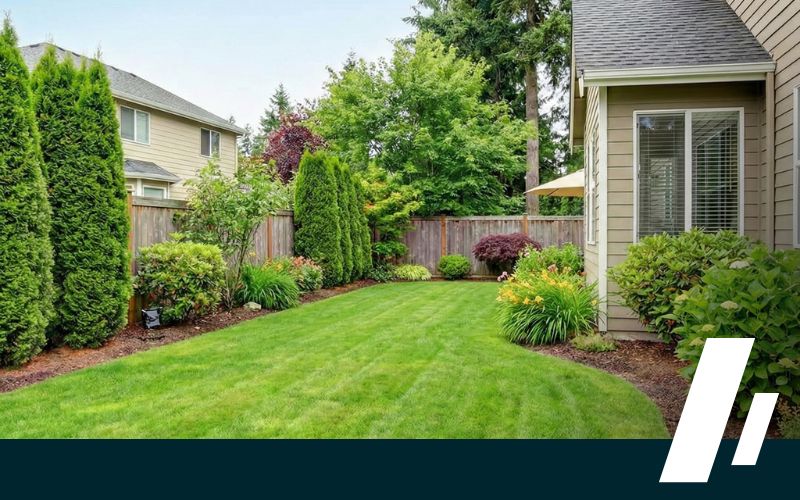
Bellevue includes established residential areas where parcel layouts, slopes, mature landscaping, driveways, and previous development can affect underground construction. A proposed connection may need to navigate around structures, utilities, retaining walls, trees, and other improvements.
The city’s wastewater system serves a broad area, but service must still be confirmed for the individual parcel. Properties near the edge of a utility boundary or outside Bellevue city limits may be subject to a different provider and different procedures.
Dirt Cheap Sewer approaches the project as a site-specific underground utility job. The objective is to identify a practical route, understand the excavation requirements, and coordinate the construction scope with the approvals that apply to that property.
Frequently Asked Questions About Septic-to-Sewer Conversion
Contact the utility serving the parcel and request confirmation of sewer availability. The utility may identify an existing connection stub, a nearby main, connection conditions, or improvements required to reach the property. A contractor can evaluate the physical route, but the utility controls the official availability determination.
Not necessarily. The utility must approve the connection, and the property needs a legal and constructible route to an authorized connection point. Capacity, elevation, easements, right-of-way conditions, and connection charges may affect feasibility.
A new connection to the Bellevue sewer system generally requires a side sewer permit. Other approvals may apply for right-of-way work, utility extensions, plumbing changes, or septic-system decommissioning. Requirements should be confirmed for the individual parcel.
The tank must be properly taken out of service under the requirements of the agency with jurisdiction. This commonly involves pumping out the contents, disconnecting the system, and either removing or filling the tank. The required procedure should be verified before work begins.
The site evaluation can identify elevation concerns and whether a gravity connection appears practical. Final pump-system design or approval may require additional specifications, utility review, or engineering.
The construction schedule depends on sewer availability, permitting, inspections, route complexity, excavation conditions, and any required utility improvements. The complete process may take longer than the on-site construction because approvals and coordination occur before excavation.
That depends on the approved connection route. Excavation may cross landscaping, pavement, concrete, or other improved areas. The proposal should identify anticipated disturbance and clarify which restoration work is included.
No. The appropriate choice depends on the septic system’s condition, sewer availability, repair feasibility, connection costs, and the owner’s future plans. A failing component may be repairable, while another property may benefit from eliminating an aging septic system and connecting to public sewer.
There is no reliable flat price because the work may include utility charges, permits, septic decommissioning, excavation, sewer-line installation, pumping equipment, engineering, and surface restoration. A site-specific evaluation is needed before meaningful pricing can be prepared.
Find Out Whether a Sewer Connection Is Practical for Your Property
If you are dealing with septic problems or considering a future property project, Dirt Cheap Sewer can evaluate the underground construction involved in connecting your Bellevue property to public sewer service.
Share any septic records, sewer-availability documents, site plans, inspection reports, or utility correspondence you already have. These materials can help identify the right questions before excavation begins.